Boosting Employee Motivation: 5 Foolproof Strategies for a Productive Workplace
Even though your customers are obviously a crucial component of your business, without your employees, it would be literally impossible to continue. As clichéd as it sounds, a happy workforce makes for a happy and more productive workplace.With that being said, here are five foolproof ways to motivate your workforce.

Turning Motivation into Measurable Workplace Success
While customers are a key component of any business, it is your employees who make ongoing success possible. Modern HR teams and leaders across Fortune 500 companies consistently highlight that employee motivation directly influences organizational performance and long-term growth.
A supported and engaged workforce directly drives a more productive and innovative workplace. Reports such as the Gallup Employee Engagement Index show that motivated employees substantially reduce turnover and improve team productivity. Here are five proven strategies to motivate your workforce.
Offer Lateral Growth Opportunities
To cultivate loyal, dedicated employees who thrive in their roles, companies must prioritize professional development and internal mobility. Providing clear pathways for career advancement is a necessity for retaining top talent.
For a language service provider, this might mean a translator shadowing a localization project manager, or a linguist exploring localization engineering, fostering valuable cross-functional understanding.
Lateral growth is a fantastic way of helping individual employees understand and experience different roles within the company on the same hierarchical level as their own, similar to the cross-functional mobility offered in many DEI-driven workplaces.
Additionally, offering lateral movement, either on a temporary or permanent basis, will also give them a sense of career projection and allow you to keep your most skillful employees working for you and not a competitor.
Introduce Mentorship Options
Another great way to motivate your team members is by providing additional experience and ways to further their careers within your own company. Mentorship programs are a core pillar in corporate training and leadership development strategies endorsed by SHRM.
This can be done by introducing mentorship options for those who want them from the employee onboarding stage and beyond. Structured mentorship boosts engagement, particularly among remote teams.
Complementing mentorship with practical onboarding tools, such as customized welcome kits, can instantly make new hires, like freelance linguists moving into in-house roles, feel valued.
Both returning employees and individuals branching into new roles within the company could immensely benefit from customized kits that demonstrate appreciation right from their first day. This also aligns with modern employer branding trends adopted by leading HR software providers.
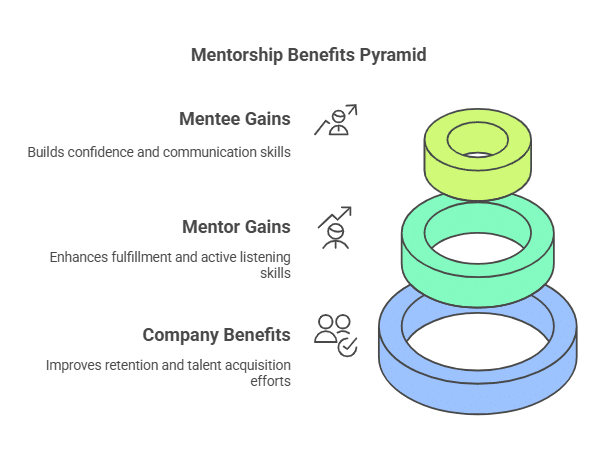
Mentoring partnerships, either with employees working under the same department or elsewhere, across different sectors of your company, is fantastic for new and younger staff members, allowing them to learn from their more experienced colleagues. Key benefits of introducing workplace mentorship include:
For Mentors:
- An enhancement of self-worth and feeling as though they are making a difference
- A growing sense of fulfillment
- A greater level of responsibility at work
- A way to improve active listening skills
For Mentees:
- Development of new and existing skills through structured corporate training
- Expansion of their own network of contacts across teams and remote working groups
- Heightened levels of self-confidence
- Constructive feedback in different areas
- A way to help their communication skills
For the Company:
- An improvement in rates of employee retention similar to high-performing workplaces
- A way to harness natural leadership skills and nurture future managers
- A more cohesive and productive working environment aligned with modern workplace culture
- A way to improve talent acquisition efforts and employer branding
- Ensuring your company is seen as being progressive within the industry
Measure Employee Engagement
Employee engagement goes hand-in-hand with employee motivation; naturally, the more invested staff members are in their roles, the more likely they are to exceed expectations. Employee engagement platforms increasingly help HR departments analyze performance and improve well-being.
An effective way to motivate your workforce is to host regular professional development workshops or “lunch-and-learn” sessions on various topics. One way to ensure these efforts are truly making a difference is to regularly measure employee engagement and adjust your approach based on the results, similar to continuous feedback models used in agile teams.
Beyond that, it is highly beneficial to dedicate work time to sessions focused on workplace well-being, mental health awareness, or work-life balance, rather than strictly technical skills.
Launch an Employee Incentive Program
Launching an engaging employee incentive program is a highly effective way to boost morale and productivity. Incentive programs, whether in the form of bonuses, gift cards, or extra time off, go a long way in improving employee motivation. They are particularly effective in hybrid work environments and large corporate teams.
Simply put, the more satisfied your team members are with their work and their workplace, the more likely they are to give everything they have to ensure each project is completed thoroughly.
Transparent and timely compensation, documented on a real pay stub and including performance-based bonuses for meeting localization milestones, ensures financial fairness and reinforces trust.
Other key advantages of a well-designed incentive program include improved employee retention, reduced burnout, and a stronger culture of teamwork.
Strong team collaboration is a foundational attribute of any business focused on long-term success. With the introduction of an exciting incentive program, your team members will be more likely to contribute to a collaborative company culture, rather than create a competitive one.
Hold Regular One-To-Ones
Even if you consider yourself to be an honest and open manager who actively tries to involve your employees in company decisions and encourages your team members to confide in you, it still might not be enough to ensure employee satisfaction. Structured one-to-one meetings are widely used in leadership coaching models.
Taking a structured yet personal approach when discussing job satisfaction allows managers to accurately gauge motivation and address roadblocks before they impact productivity. A few tips to help improve your one-to-one meetings to better benefit you and your staff members include:
- Prepare an agenda ahead of time
- Take notes throughout the session and send a follow-up email afterward
- Set goals for each employee
- Begin with workplace topics to break the ice
- Remain flexible regarding the structure of the meeting