WhatsApp
Get a free quoteQuote

Live Interpretation Services

Our interpreters work live in consecutive, simultaneous, whispered, and liaison modes for legal, medical, business, and conference settings, on-site across 56 European cities and 27 more worldwide, or remotely in 50+ languages.

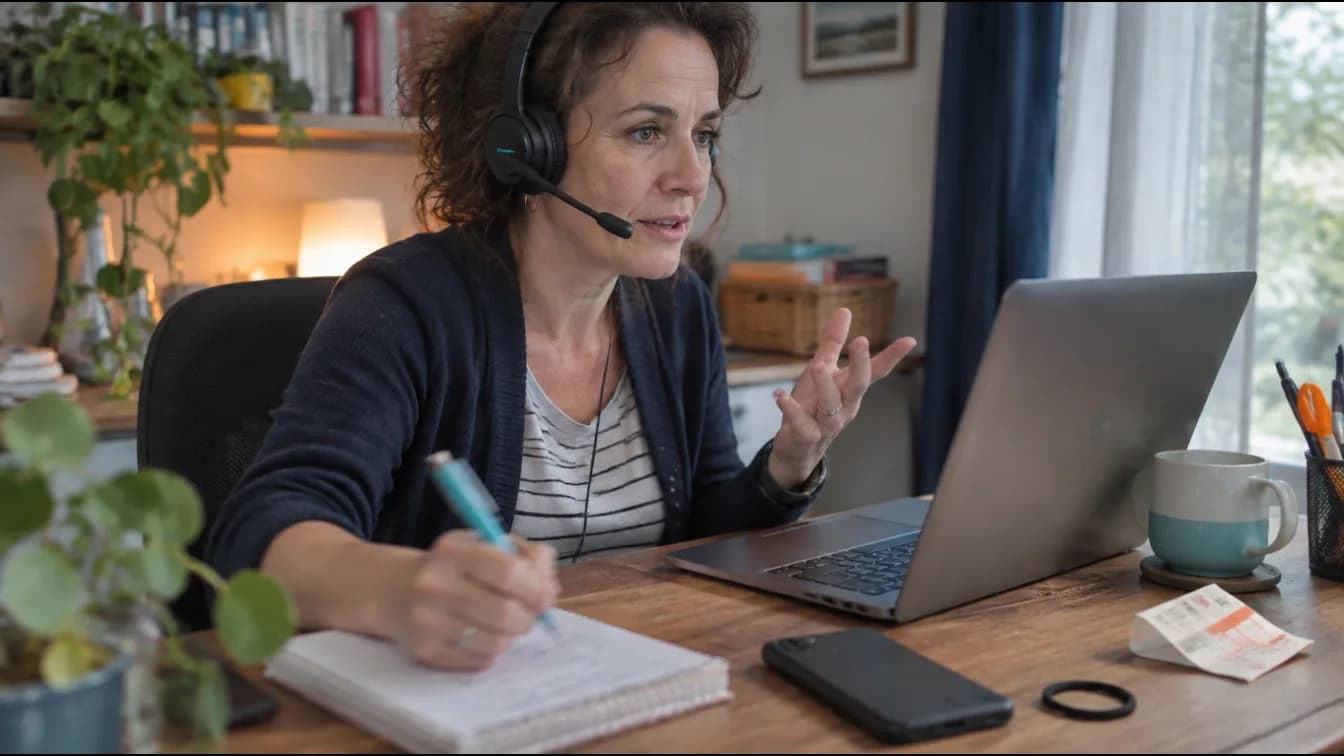
Interpreter with a headset working on a remote interpreting session
  • $12.7BGlobal interpreting market 2025Nimdzi Interpreting Index
  • 8%Projected annual growth to 2030Nimdzi Interpreting Index
  • 50+Languages for on-site and remote interpretingBeTranslated
  • 56European cities with on-site interpretersBeTranslated
  • Interpreters With Individual AIIC Membership
  • Interpreters Registered With NRPSI Where Needed
  • Assignment Briefing and Quality Checks
  • Interpreter Booths and Sound Equipment
  • Confidentiality Agreements

Professional interpreting

Interpreting Built for Every Setting

Every interpreting assignment carries different stakes. A federal court hearing, a hospital triage, a cross-border merger negotiation, and a UN-style multi-language conference each demand a different mode, a different specialist profile, and different equipment.

We match interpreters to assignments by language pair, subject specialism, accreditation, and operational logistics. When a hearing or registry appointment also involves written records for a state court, USCIS or a European civil registry, certified document translations can be prepared alongside the interpreting.

Our network covers 50+ languages. On-site interpreting is concentrated across 56 European cities, extends to 27 more in Asia, the Middle East, and the Americas, and runs remotely anywhere.

Equipment provisioning, booth setup, audio engineering, and platform integration (Zoom, Webex, KUDO, Interprefy) are all handled in-house so the assignment runs without surprises on the day.


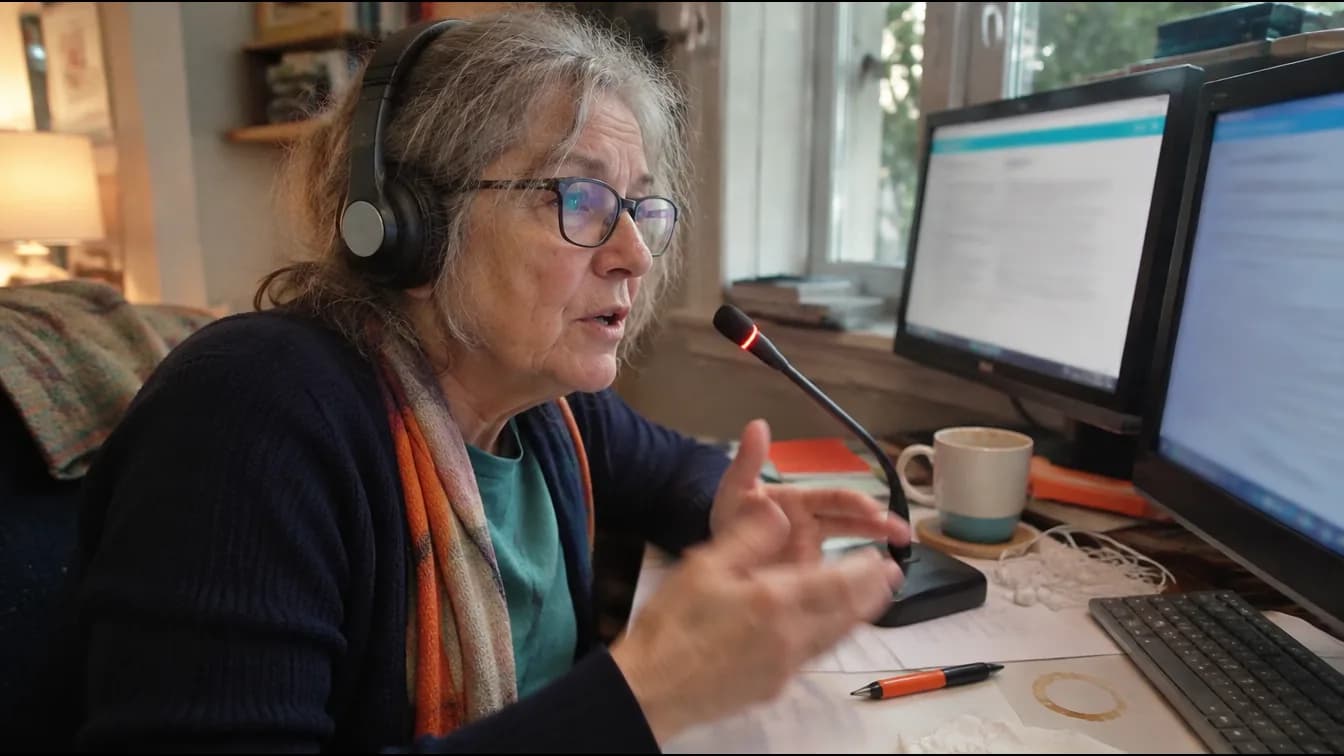
conference interpreting equipment

Interpreting Modes Compared: Equipment, Team Size and Timing

The same event can need a very different setup depending on the mode. Use this table to see what each one involves before you ask for a quote.

Mode

Simultaneous

Best for
Conferences, large audiences, multilingual events
Equipment
Soundproofed booth or portable system, plus headsets
Interpreters
Two per language, taking turns about every 30 minutes
Effect on timing
None: the audience hears the talk live

Consecutive

Best for
Meetings, interviews, depositions, site visits
Equipment
None, just a notepad
Interpreters
One, or two for a full day
Effect on timing
Speakers pause for the interpretation, so sessions run longer

Whispered (chuchotage)

Best for
One or two listeners inside a larger meeting
Equipment
None, or a small tour-guide set
Interpreters
One for short sessions, two for longer ones
Effect on timing
None: the interpreter speaks while the speaker does

Liaison

Best for
Two-way conversations: medical, business, official visits
Equipment
None
Interpreters
One
Effect on timing
A little longer, because each side speaks in short turns

Remote (RSI, VRI, OPI)

Best for
Webinars, virtual meetings, short-notice calls
Equipment
A platform with an interpretation channel, or a video or phone line
Interpreters
Two per language for RSI, usually one for video or phone calls
Effect on timing
Same as the underlying mode, with no travel

Remote formats

Remote Interpretation for Every Platform

RSI, VRI, and OPI cover every remote scenario from large-scale virtual conferences to urgent on-demand calls.

  • RSI

    Remote Simultaneous Interpreting

    Conference-grade simultaneous interpreting delivered over Zoom, Microsoft Teams, Webex, or dedicated RSI platforms. Listeners join a language channel from any device.

    Learn more about RSI
  • VRI

    Video Remote Interpreting

    Interpreter and parties connect via video call. Visual cues, facial expressions, and body language are preserved, making VRI significantly more accurate than telephone for complex settings.

    Learn more about VRI
  • OPI

    Over-the-Phone Interpreting

    Telephone interpretation with little or no booking lead time, arranged case by case. A qualified interpreter for the requested language joins the call once the request is confirmed.

    Learn more about OPI

Sectors we serve

Specialist Interpreting Across Six Key Sectors

From real assignments

What Planning an Interpreted Event Actually Involves

The mode is rarely the hard part. Group size, room layout, the program for the day, and how far the interpreter has to travel decide more than the language pair does. The examples below are anonymized from recent bookings.

What Decides the Setup

  1. Group Size Can Change the Staffing

    An energy-sector client needed an interpreter at short notice for a safety training at their Zaragoza plant. Once the group size was clear, the job needed two interpreters, not one, so we corrected the quote before the day.

  2. The Program Decides the Equipment

    A trade-union training seminar in Houffalize needed bilingual and trilingual interpreting across the day. We recommended a booth or a portable system based on what the program actually looked like, room by room.

  3. Travel Is Part of the Booking

    A Brussels business delegation needed whispered French to Czech interpreting with an early start. The interpreter travelled in the evening before, because arriving on the morning of a 9am session is not a plan.

  4. Send the Program, Not Just the Date

    An international network booking simultaneous interpreting for its annual seminar supplied the full program in advance. That is the single most useful thing a client can send.

  5. We Say No When It Is Not a Fit

    A corporate compliance and traceability firm asked for interpreting at a meeting whose technical requirements we did not think we could meet properly. We reviewed it and declined.

  6. Remote Is a Real Option, Not a Downgrade

    A Spanish manufacturer needed Spanish and German interpreting for a first video call with a prospective distributor. A first exploratory call does not justify flying anyone anywhere.

Recent Interpreting Assignments

Institutional and Public Sector

  • A cross-border cooperation body ran a formal tender for up to three hours of French, Dutch, and English interpreting at a 250-person EU-funded launch event.
  • Ongoing interpreting support for an EU-level advisory body's working meetings on a regulated industry sector.
  • A Dutch city government booked interpreting for staff attending an event in Brussels.
  • An on-site interpreting request tied to a Member of the European Parliament's schedule, around three hours.
  • A combined translation and interpreting package for an institutional event at a hotel conference venue, planned around 250 attendees.

Legal, Court, and Notarial

  • A Spain-based individual, fluent in English with only basic Spanish, needed a court interpreter for his own divorce hearing.
  • English and Spanish interpreting for a signing appointment at a notary's office in Valencia.
  • A law firm requested interpreting for ongoing legal proceedings.

Technical and Industrial Training

  • Consecutive and simultaneous Spanish and English interpreting for an occupational health and safety training at an industrial plant in Zaragoza.
  • French and Spanish simultaneous interpreting for a global packaging manufacturer's technical staff training.
  • Bilingual and trilingual interpreting for a trade-union training seminar, with the equipment specified from the program.

Commercial and Corporate

  • Spanish and German interpreting for a security-gate manufacturer's first video call with a prospective European distributor.
  • Interpreting for an agri-food client's business meetings.
  • Whispered French to Czech interpreting for a business delegation visiting Brussels.
  • A recurring Japanese and French consecutive booking for a luxury flagship's VIP client appointments.

What Our Clients Say

  • “Excellent service and good value translation company! Efficient, accurate, and fast turnaround at competitive rates.”
    Claire C.Google review, 2 years ago
  • “Highly professional and meticulous work. They truly listened to my needs and communicated very responsively. Very satisfied with the work done.”
    Khaled B.Google review, 2 months agoTranslated from French
  • “I had a pleasant working relationship with BeTranslated. It's a professional translation agency with strong SEO expertise.”
    bas W.Google review, 3 months agoTranslated from Dutch

Frequently Asked Questions

Interpreting Services: Frequently Asked Questions

What are live interpretation services?

Live interpretation means a human interpreter conveys what is said while the conversation is happening, rather than translating a recording or a document afterward. In simultaneous mode the interpreter speaks at the same time as the speaker, from a booth or a remote platform; in consecutive mode the speaker pauses and the interpreter renders each passage.

We provide live interpreters on-site, by video, and by phone. Unlike live translation apps, a professional interpreter handles accents, interruptions, and specialist terms, and is accountable for what the room hears.

When should I use remote interpretation instead of on-site?

Remote interpretation suits webinars, virtual conferences, and international meetings where flying in an interpreter would be costly or impractical. On-site is usually the better choice for complex legal proceedings, sensitive medical consultations, and large in-person conferences where booth infrastructure is already installed. A hybrid setup is also possible, with some interpreters on-site and others connecting remotely.

How far in advance should I book an interpreter?

For large multilingual conferences, book two to three months ahead, especially for rare language pairs or specialist subject areas. Smaller meetings and remote interpreting can often be arranged with two weeks' notice. Last-minute bookings for complex events carry real quality risk, so earlier is always better.

What should I provide an interpreter before an event?

Send as much context as possible: the agenda, speaker notes or slides, a glossary of key terminology, and a clear brief on format and audience. The more an interpreter understands before the event starts, the more accurate and natural the output will be.

Is AI replacing professional interpreters?

Not for high-stakes settings. AI-assisted tools improve terminology management and productivity for human interpreters, but full machine interpretation still cannot reliably handle cultural nuance, contextual ambiguity, or the accountability that legal and medical communication demands. For quality-critical work, human interpretation remains the standard.

Show 10 more questions
What is the difference between interpreting and translation?

Interpreting is spoken and happens live: the interpreter conveys what is said in a meeting, hearing, or conference as it happens. Translation is written: a translator works on documents, websites, or subtitles and delivers a finished text.

The two call for different skills, so an event often needs both, with the slides and handouts translated beforehand and the live sessions interpreted.

How does remote simultaneous interpretation (RSI) work?

Speakers and listeners join through a meeting platform with a separate interpretation channel, such as the language interpretation feature in Zoom, or a dedicated RSI platform. The interpreters listen and speak from their own soundproofed setup, and each participant picks the language they want to hear.

As in a booth, two interpreters per language take turns, and a technical check before the event is part of the booking.

Which languages can you provide interpreters for?

We arrange interpreters for the major business languages, such as French, Spanish, German, Arabic, Mandarin, Portuguese, and Russian, and for many less common pairs.

Each major language has its own interpreting page with its regional variants. For a rarer combination, tell us early, because the pool of qualified interpreters is smaller.

How are interpreting services priced?

On-site interpreting is usually priced by the half day or full day, and short remote calls by the hour. The price depends on the mode, the language pair, the subject, the length of the event, the number of interpreters, travel, and any booth or headset hire.

We send a written quote with each of those items before anything is booked.

Which interpreting mode fits my group?

It depends on how many people need the interpreting and how long the session runs. For one to three listeners, whispered (chuchotage) or consecutive interpreting is usually enough. For a table of people who take turns speaking, such as a negotiation, a court hearing or a notary appointment, consecutive works well.

For an audience of dozens, or a lecture where speakers cannot stop after every sentence, simultaneous interpreting with booths and receivers fits better. Tell us the group size and the format, and we advise on the mode before we quote.

What details do you need to quote an interpreter?

The date, the start and end time, the venue address or platform, the language pair, and whether interpreting must work in one direction or both. The number of attendees, the topic and any equipment already on site also help.

The start time and the exact address are the details most often missing, and we cannot confirm availability without them. Send what you have and we ask for the rest.

When do I need a second interpreter?

Long or intense sessions call for two interpreters who take turns, because accuracy drops when one person works for hours without a break. In simultaneous interpreting this is standard for sessions longer than about 30 minutes. For consecutive work, a second interpreter is normally added for full days and for demanding settings such as hearings.

Tell us the real length of the session, including breaks, and we quote the staffing that fits.

Can you interpret at trade fairs and factory visits abroad?

Yes. We arrange interpreters for booth support, buyer meetings and factory tours, in Europe and in cities such as Shanghai. For a multi-city trip, we compare one interpreter who travels with you against a local interpreter in each city.

A traveling interpreter keeps terminology consistent from stop to stop. Local interpreters can cost less in travel but need a briefing at every stop.

Can you provide a sworn interpreter for a court hearing or notary appointment?

Where a court, notary or consulate requires a sworn or officially registered interpreter, tell us the authority, the country, the language pair and the date when you book. We work with sworn and registered interpreters in several European countries. The receiving authority decides what it accepts.

For hearings and notarial acts we need the exact start time and the address to confirm availability.

Can you arrange an interpreter within a few days?

Sometimes. A short meeting in a common language pair can occasionally be covered within days, but we cannot promise it. Rare language pairs, simultaneous interpreting with equipment, and distant locations usually need more time.

Send the date, start time and location as early as you can, and tell us if the booking depends on a fixed deadline.

4.96/5.0 from 178 Google reviews

Interpreting Services: Talk to a Specialist

Tell us what you need for interpreting services. We will route your request to the right team and reply with practical next steps.

  • Specialist Team
  • Clear Next Steps
  • Clear Quote
Open WhatsApp chat