

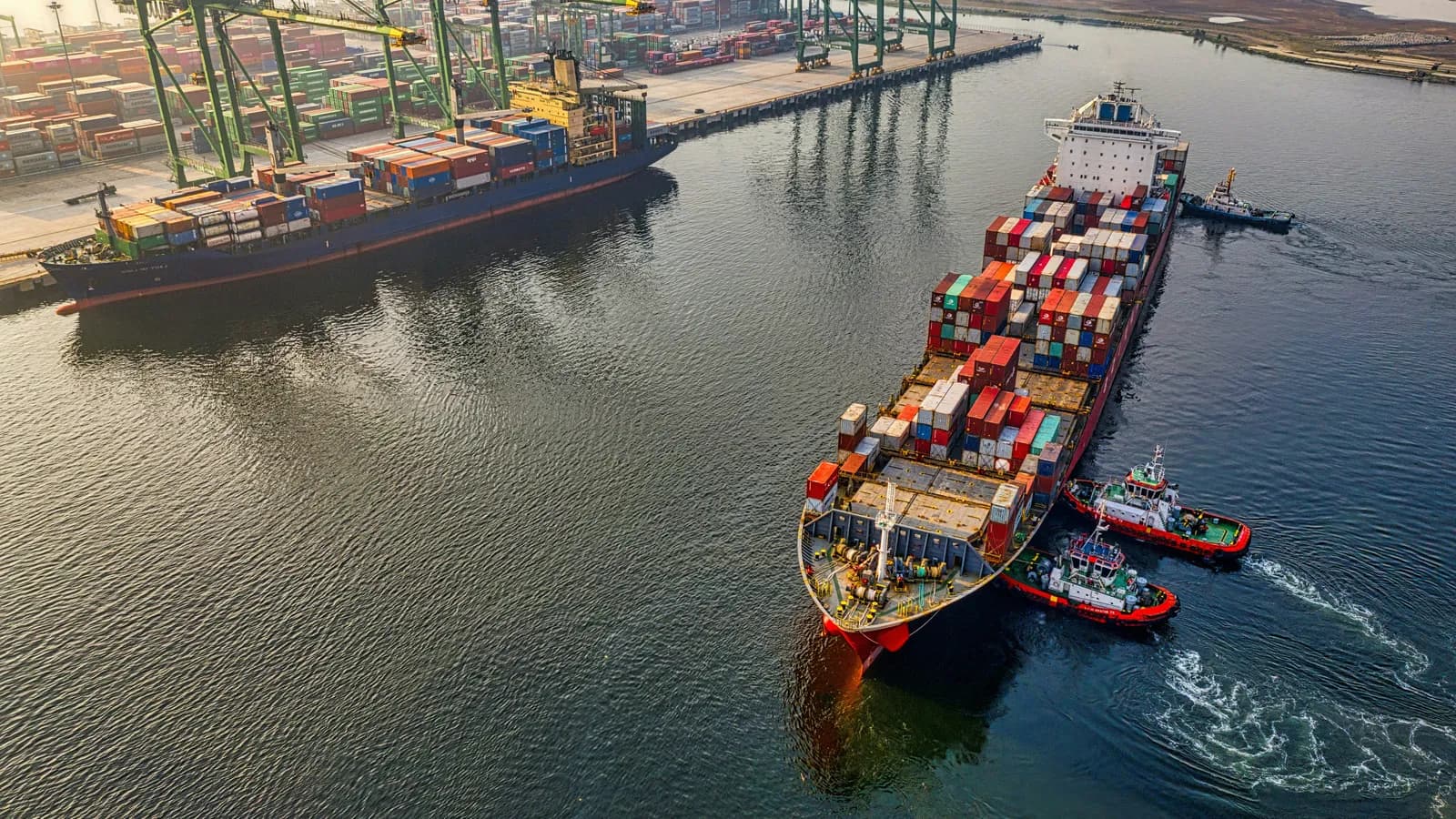
Freight Forwarders
Forwarders handle cross-border shipments where one file may hold documents in three or four languages. Translations let operations, customs, and invoicing teams read the same data.
A bill of lading, air waybill, or sea waybill is the carrier's contract of carriage and receipt for goods in transit. A bill of lading can also be a document of title, which means the exact wording of the consignee, notify party, and endorsement lines can decide who may take delivery.
Other documents in the same file include road consignment notes under the CMR Convention, rail consignment notes, packing lists, cargo manifests, and commercial invoices. Customs authorities, banks handling letters of credit, marine insurers, and port agents all read them.
Our trade-document translators work in freight vocabulary, from shipper, consignee, and notify party to freight prepaid, freight collect, and clean on board. Incoterms stay as the standard three-letter codes with the named place, HS codes and container numbers are never altered, and weights, volumes, and dates are carried over exactly.
Originals matter in this field. A translation does not replace the original bill of lading, and stamps, endorsements, and handwritten notes are described in brackets at the position where they appear, so a reader can match the translation to the original.
The commercial invoice, packing list, and certificate of origin are usually read together, so our professional translation services handle the full set against one glossary. Our full-service translation agency can add a certified translation with a signed certificate of accuracy when a customs office, bank, or court asks for it, and the receiving authority decides what it accepts.
Whether a shipment moves through the port of Valencia, Rotterdam, Hamburg, or Los Angeles, or through an air cargo hub, the documents travel with it. Calls with carriers and customs brokers in another language can be supported by professional interpreting services.
Forwarders handle cross-border shipments where one file may hold documents in three or four languages. Translations let operations, customs, and invoicing teams read the same data.
Traders need translated waybills for customs clearance, contract performance, and payment. A consistent translation reduces mismatches between what the invoice says and what the carrier's document says.
Marine cargo insurers and loss adjusters read waybills, manifests, and survey reports when they assess a claim. A translation lets them work from the carrier's own wording, not from a summary.
Banks handling documentary collections and letters of credit examine transport documents against the credit terms. A translation helps the trade finance team check the consignee, the goods description, and the shipping dates.
We confirm the document type, such as a bill of lading, air waybill, CMR note, or packing list, and where the translation will be used. If the original is a multi-copy set, tell us which copy you are sending.
A translator with logistics terminology experience works from the scan. Party names, addresses, container and flight numbers, and HS codes are copied exactly.
Reference numbers, party names, and Incoterms are compared against the source line by line. Weights, volumes, and dates are checked for transposed digits.
You receive the translation as a PDF, optionally with a certification statement for customs use. A paper original can follow by post if the office wants one.
“It is a real pleasure to work with the BeTranslated team who has been very professional, flexible and responsive during all projects.”
“Excellent service and good value translation company! Efficient, accurate, and fast turnaround at competitive rates.”
“We regularly use BeTranslated's translation services and are very satisfied with their work. The team is professional and highly efficient! We highly recommend them.”
Customs authorities set their own requirements. We provide a signed certificate of accuracy on request, in the format the authority asks for.
The authority decides what it accepts, so confirm its requirement before you file.
Yes. We translate batches against a shared glossary so that references, party names, and Incoterms stay consistent across documents.
Most shipping documents are short and deliver within 1 to 2 business days. Express service is available.
Incoterms such as FOB, CIF, and DAP stay as the standard codes, with the named place translated where needed. HS codes, container numbers, and vessel names are never altered, and goods descriptions follow the destination country's tariff terminology when you supply it.
Yes. We translate the face and the reverse, including endorsements and stamps, and we describe handwritten entries in brackets.
The translation supports review of the file but does not replace the original, which remains the document of title.
Rarely for transport documents, but it depends on the receiving authority. An apostille, where one is required, is issued by the competent authority of the country that issued the document, not by the translator.
Chambers of commerce, such as a German IHK, issue or certify related documents like certificates of origin, so ask the office what it needs.
Browse all document translation services in one place.
Official translations prepared for USCIS, embassies, and government agencies.
All professional translation specialisms in one place.
Translation services by language: 50+ combinations covered.
500+ native-speaking specialists matched to your document type.
Free quote returned quickly, no obligation.
Send us your files, language pairs, and deadline. We will confirm specialist availability, certification needs, and a clear quote as quickly as possible.