How Word Games Improve Cognitive Skills
Word games are more than fun, they sharpen vocabulary, memory, and focus while you play. See what the science really supports, then let BeTranslated help when your words need to work in another language, request a free quote.
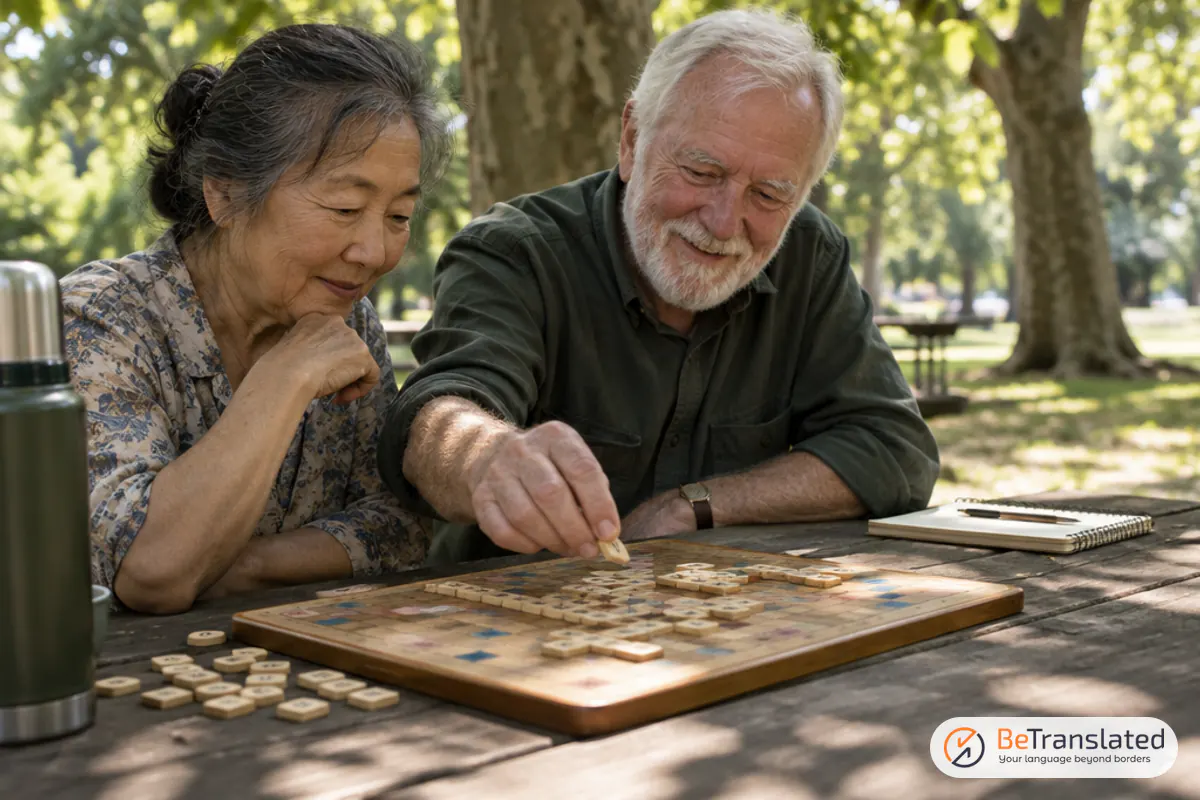
The Brain Benefits of Playing Word Games
Word games feel like pure fun, yet they quietly give your brain a workout at the same time.
A good round of Scrabble or a tricky crossword pulls in memory, attention, and problem-solving all at once.
Here is how word games sharpen the mind, what the research really supports, and how to get more out of every game you play.
What the Science Actually Says
Let us be honest about the evidence before the claims pile up.
Word puzzles clearly build vocabulary and give your brain regular, enjoyable practice, and one 2022 trial even found crosswords helped older adults with mild memory problems over twelve weeks.
Source: Columbia Psychiatry, Crossword Puzzles Superior To Computer Video Games For Slowing Memory Loss In Older Adults With Mild Cognitive Impairment, reporting a 107-person randomized trial (Devanand and Doraiswamy, NEJM Evidence, October 27, 2022)
A large 2024 study of more than nine thousand people also linked puzzles and board games to stronger reasoning, memory, and verbal skills.
Source: PLOS ONE, A Design for Life: Predicting Cognitive Performance From Lifestyle Choices, a study of 9,443 adults (Nichols, Nelson, Wild, and Owen, April 2024)
Much of that link is correlation, though, since people who love puzzles often read more and stay socially active anyway, so word games work best as one healthy habit among several rather than a cure-all.
One practical point stands out: novelty matters, because repeating the same puzzle loses its edge, so mixing up what you play keeps your brain guessing.
A Richer Vocabulary
Building vocabulary is the most obvious win, and word games deliver it naturally.
Crosswords introduce you to new words and their meanings, often before you notice you are learning.
To squeeze more words from a jumble of letters, a word solver by unscramblex can stretch your range while you practice.
Tile games like Scrabble sharpen spelling and teach the quiet rules of word formation and syntax.
Many games also ask you to use words in context, which helps the new ones stick in your everyday speech and writing.
Fast games such as Boggle or word searches push quick recognition, and that speed carries over into smoother reading and conversation.
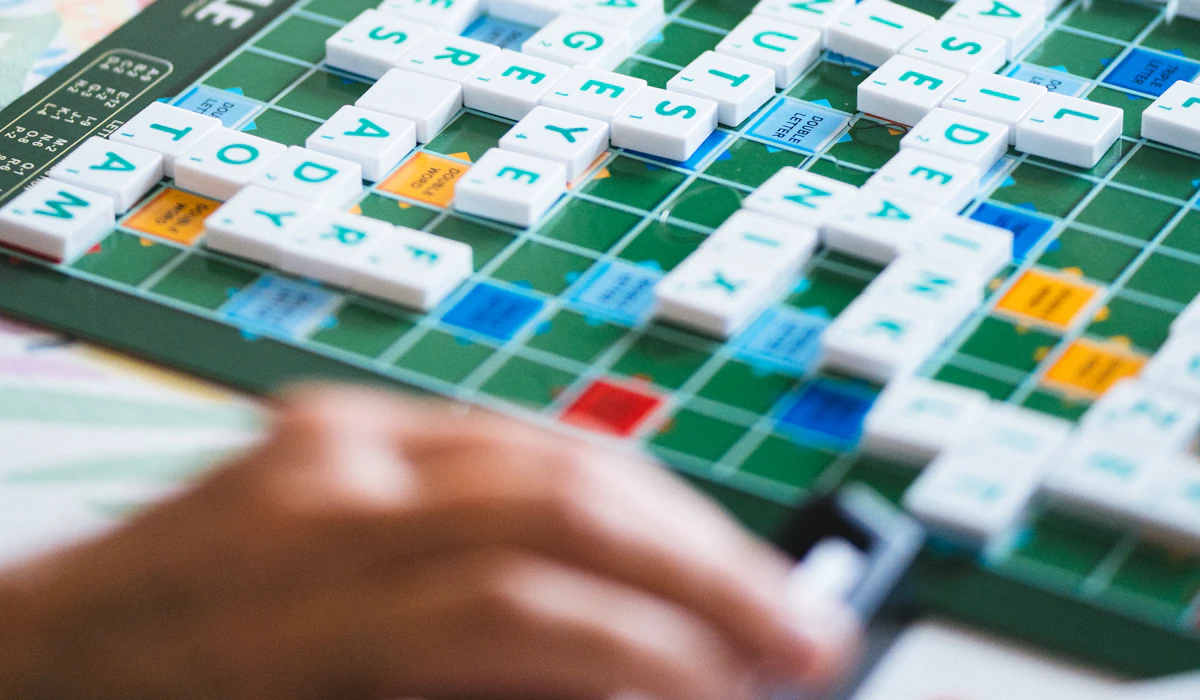
Stronger Memory and Recall
Word games give memory a steady workout as well.
Spotting and holding patterns, like letter sequences or word shapes, exercises your short-term memory.
Games like Hangman make you dig for words and meanings, which strengthens how quickly you retrieve what you know.
Linking fresh words to things you already understand helps them settle into long-term memory.
Regular play nudges new words and ideas from short-term storage into lasting recall.
Sharper Problem-Solving
Scrabble rewards players who plan ahead, weigh combinations, and hunt for the highest-scoring move.
Choosing which word to build, and where to place it, trains fast, strategic decisions.
Crosswords and anagrams push you to spot and analyze patterns, which feeds analytical thinking.
Deducing a word from a clue or a scramble of letters also stretches your logical reasoning.
Better Focus and Attention to Detail
Finding words or cracking a puzzle takes sustained concentration, so your attention span gets a workout.
Picking out the right word among distractions trains selective focus, the knack of tuning out noise.
Word searches and crosswords reward careful observation, since hidden words and layered clues escape a lazy eye.
Placing letters precisely, as Scrabble demands, sharpens your eye for detail even further.
Greater Mental Agility
Playing a mix of word games keeps your mind nimble.
New letters in Scrabble or shifting crossword clues force you to adapt and switch tactics, which builds cognitive flexibility.
Juggling moves while managing several tasks at once also trains your ability to multitask.
Games that reward unusual words encourage creative thinking and fresh solutions.
Hunting for every word that fits a set of letters pushes you to explore options you might otherwise miss.
Social and Emotional Benefits
Word games do the mind good well beyond raw brainpower.
Played in person or online, multiplayer games bring social contact, teamwork, and a little friendly rivalry.
Talking through strategy or debating a word choice sharpens your communication skills and teamwork.
A relaxed, absorbing game can ease stress and give your mind a real break.
Cracking a hard puzzle also brings a genuine sense of accomplishment that lifts your mood.
From Word Games to Real Language Skills
Here is where word games get interesting for anyone who works with language.
The habits they build, a wider vocabulary, quick recall, and an ear for how words fit together, sit at the heart of writing well and picking up a new language.
We see it across our team, since translators who play with words tend to absorb vocabulary in a foreign language faster and write more naturally.
If you enjoy this kind of play, our notes on games as a learning tool and the power of multilingual learning take the idea further.
When your words need to work in another language for real, our team can help, so request a free quote whenever you are ready.
Tips to Get More From Word Games
Read Regularly
Read widely across books, articles, and magazines, since different genres and topics feed you new words and phrases.
Keep a notebook or a digital note for unfamiliar words and their meanings.
Review those notes often to lock the learning in.
Pick up one new word a day and try to use it, and your vocabulary grows fast over a year.
Practice Word Formation
Learn common prefixes and suffixes so you can build or tweak words quickly mid-game.
Get familiar with root words too, since they anchor so many others.
Play a range of word games to build a versatile set of skills.
Use apps or online platforms to play against others or practice on your own.
Solve Puzzles
Crosswords train you to see patterns fast and reach for synonyms and related terms.
Anagram games and solvers let you practice rearranging letters into new words.
The skill pays off in any game where you must wring as many words as possible from a set of letters.
Lean on word generators to learn, not to win, since the real gains come from doing the work yourself.
Final Words
Word games build vocabulary, memory, problem-solving, and mental flexibility, and they do it while you enjoy yourself.
Played alone or with friends, they offer a fun way to keep learning for life, as long as you keep mixing them up.
Fold a few into your week and you get the entertainment and a real mental boost together.
Frequently Asked Questions
Do word games really make you smarter?
They reliably build vocabulary and give your brain enjoyable practice, and some studies link them to stronger memory and reasoning. Much of that link is correlation, so treat word games as one healthy habit alongside reading, exercise, and social time rather than a shortcut to genius.
Which word games are best for building vocabulary?
Scrabble, crosswords, and Boggle all expose you to new words and reward you for using them. Rotating between them helps, since variety keeps the challenge fresh.
How often should I play to see a benefit?
A few short sessions a week are plenty for most people. Consistency and variety matter more than long marathons, because your brain gains the most from new challenges.
Can word games help with learning a foreign language?
They can, especially for vocabulary and spelling in the target language. Playing word games in the language you are learning turns practice into something you look forward to.
Are word solvers and anagram tools cheating?
Used mid-game to win, they defeat the purpose. Used to study patterns and learn new words between games, they are a handy way to improve.