How to Refresh Your Translation Career in 2026
Translation is changing fast in 2026. Discover how to upgrade your skills, adapt to AI-driven workflows, and future-proof your translation career. Read the full article and take control of your professional evolution today.

Refreshing Your Translation Career in an AI-Driven World
The translation industry has changed radically. Artificial intelligence now produces instant drafts. Clients compare human translators to machines. Rates are under pressure. Deadlines are shorter.
If you feel your translation career is under threat, you are not imagining it. The market is restructuring. The question is no longer how to survive. The question is how to reposition yourself.
Refreshing your translation career in 2026 requires more than motivation. It requires strategy.
Understand the New Reality
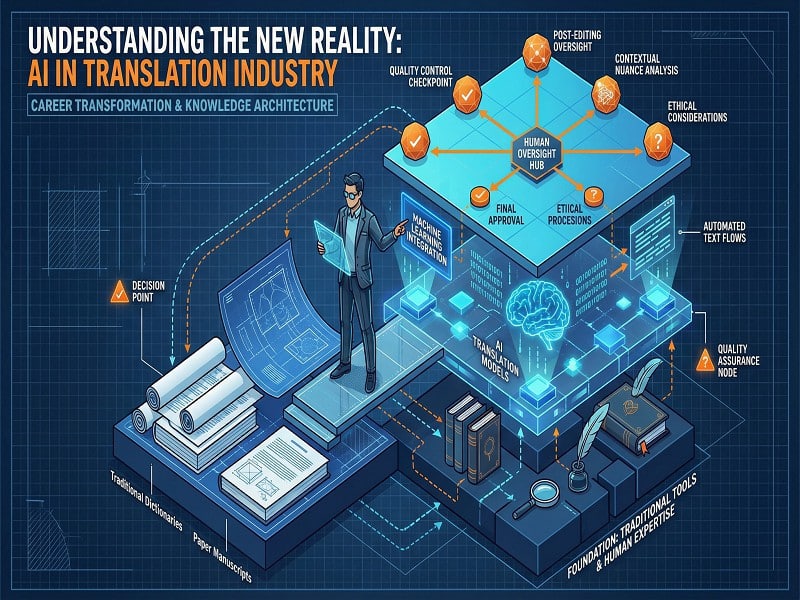
Machine translation and large language models now handle large volumes of general content.
Basic website pages, product descriptions, and internal documents often go through automated systems first.
Clients expect translators to:
- Post-edit AI output efficiently
- Detect hallucinations and factual errors
- Ensure legal and regulatory accuracy
- Adapt tone for brand consistency
- Take responsibility for final quality
Human expertise has not disappeared. It has shifted.
Precision, accountability, and subject-matter depth now define professional value.
Upgrade from Translator to Language Expert
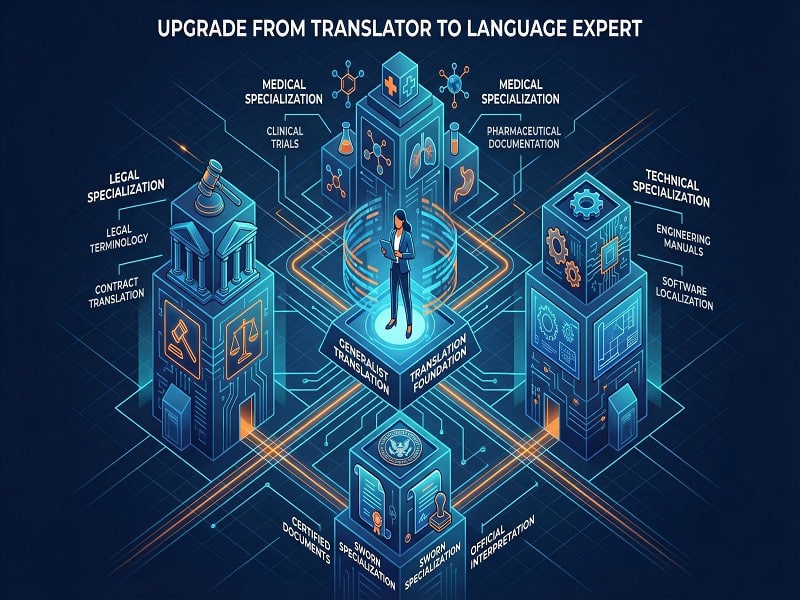
Generalist profiles struggle in 2026. Specialists thrive.
Consider strengthening your position in high-risk sectors where errors are costly:
- Legal translation. Contracts, patents, immigration files, compliance documents.
- Medical translation. Clinical trials, medical devices, patient information.
- Technical translation. Engineering manuals, safety documentation, industrial standards.
- Sworn translation. Diplomas, certificates, official records.
Clients pay for accountability. If a mistranslation creates legal exposure, they need a professional, not a chatbot.
Consider the United Nations Language Competitive Examination
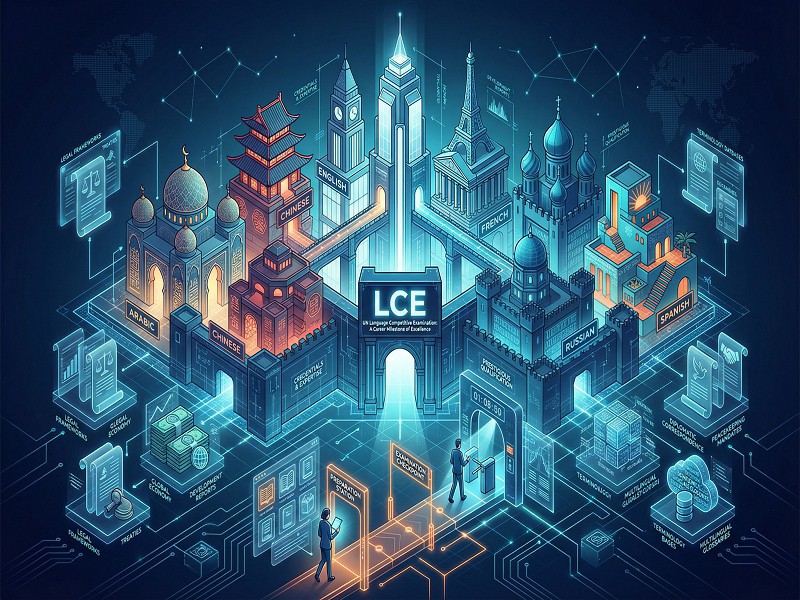
One structured way to elevate your career remains the United Nations Language Competitive Examination, LCE.
Competition is intense. Standards are high. Yet the credential signals excellence in legal, economic, and diplomatic translation.
The six official UN languages are Arabic, Chinese, English, French, Russian, and Spanish.
Candidates need mastery of one official language and a strong command of others, depending on the language combination.
In 2026, passing the LCE demonstrates more than linguistic ability. It proves resilience, subject knowledge, and the ability to operate under pressure.
Check Your Credentials Carefully
The LCE expects near-native mastery in your main language.
Academic background in translation or substantial professional experience strengthens your profile.
Ask yourself:
- Do I translate complex legal or economic texts daily?
- Can I defend terminology choices confidently?
- Am I comfortable working without external tools during exams?
Be honest. Brutal clarity now prevents disappointment later.
Choose the Right Exam Path
The UN offers exams for translators, interpreters, editors, and other language professionals. Each path requires different strengths.
Interpretation demands cognitive stamina and real-time accuracy. Translation demands analytical precision. Editing demands stylistic control.
Select the track that aligns with your strongest skill set, not the one that sounds prestigious.
Prepare with Strategic Focus
Preparation in 2026 must go beyond reading random materials.
Focus on:
- UN resolutions and official reports
- International development terminology
- Human rights documentation
- Economic and diplomatic texts
Study official style guides even if they are not formally required. Terminology consistency matters.
Build speed. Train under timed conditions. Simulate exam pressure. AI tools can help you generate practice texts, but you must refine and critique your own output.
Master Technology Instead of Resisting It
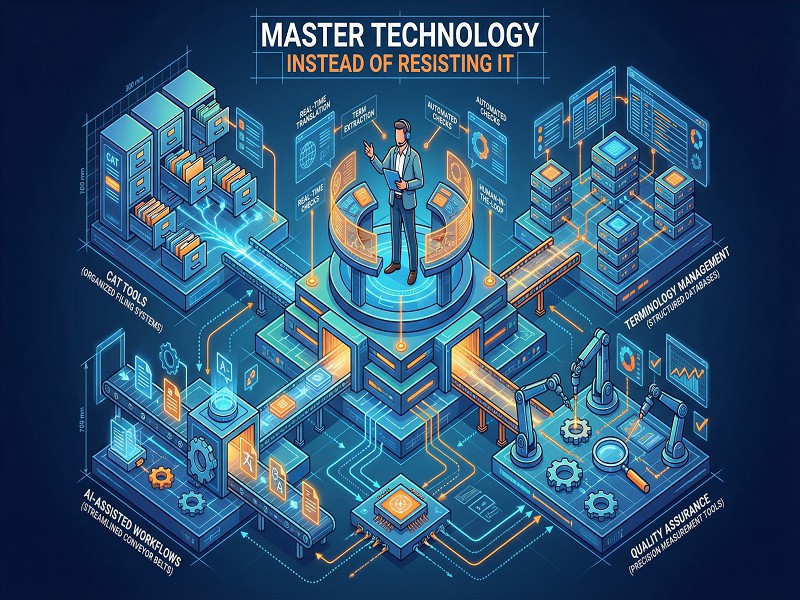
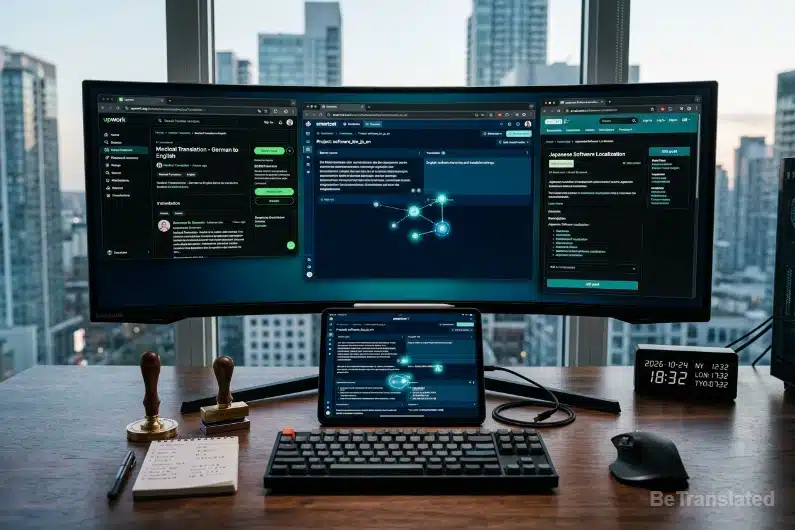
Translators who reject AI tools lose ground. Translators who control them gain leverage.
Develop competence in:
- Advanced CAT tools
- Terminology management systems
- AI-assisted drafting workflows
- Quality assurance automation
- Prompt engineering for linguistic tasks
Clients increasingly expect translators to integrate into digital ecosystems. Knowing how to supervise AI output is now part of the profession.
Strengthen Complementary Skills
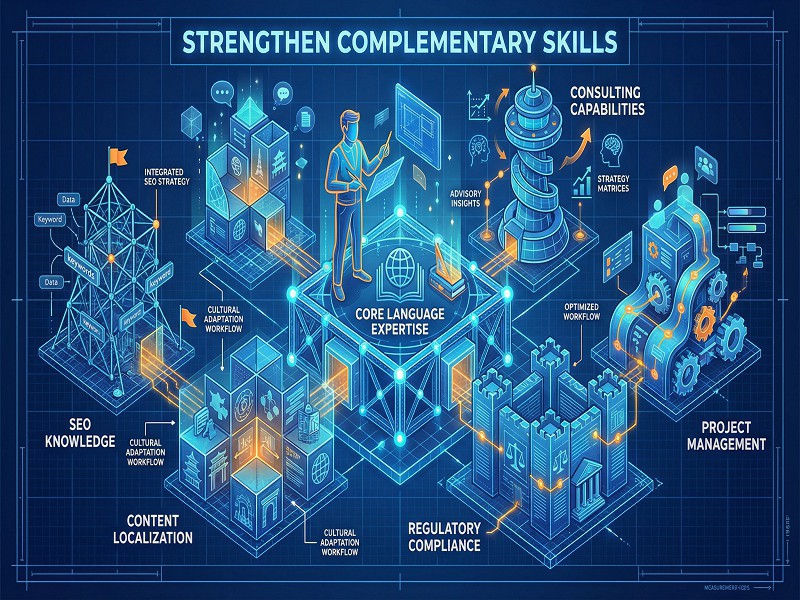
Language alone is no longer enough.
In 2026, successful translators often add:
- SEO knowledge for multilingual websites
- Content localization strategy
- Regulatory compliance awareness
- Project management skills
- Consulting capabilities
If you understand international SEO, you can advise on keyword localization rather than simply translating text.
If you understand compliance frameworks, you become a strategic partner.
Approach the Exam Like a High-Stakes Project
The first phase of the LCE is typically conducted online. It remains demanding and time-sensitive.
Prepare your technical setup in advance. Ensure stable internet, a quiet environment, and backup plans.
Treat it like a major professional milestone.
Mental endurance plays a decisive role. Rest properly. Manage energy. Stay focused.
Be Patient with the Process
Institutional recruitment moves slowly. Waiting months for results is common.
Do not pause your professional development while waiting. Continue building expertise, expanding your client base, and refining your positioning.
A refreshed translation career does not depend on one exam. It depends on consistent evolution.
Redefine Your Value
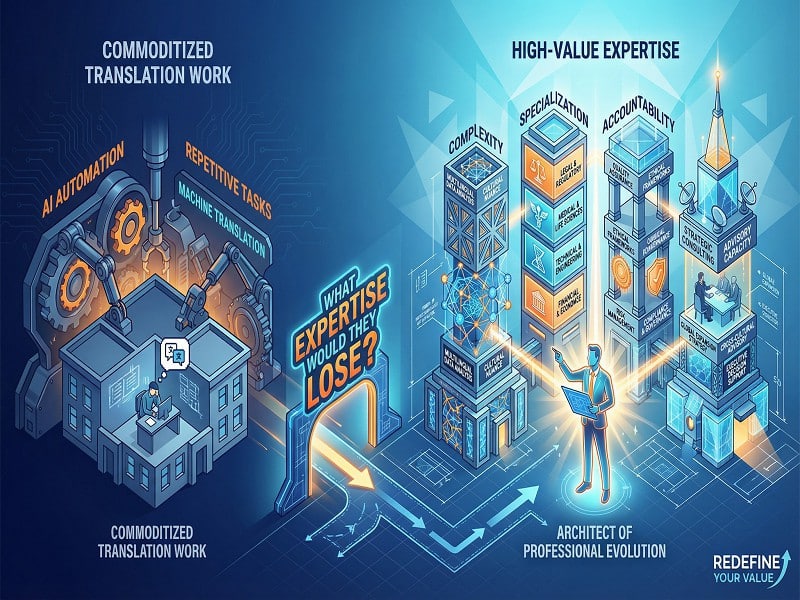
The uncomfortable truth is simple. Basic translation is becoming commoditized.
Your future lies in:
- Complexity
- Specialization
- Accountability
- Advisory capacity
Ask yourself a strategic question. If a client replaces me with AI tomorrow, what expertise would they lose?
If the answer is unclear, you know where to focus next.
Final Perspective
2026 does not mark the end of translation careers. It marks the end of passive translation careers.
You can compete on price with machines. You will lose. You can compete on judgment, responsibility, and expertise. That is where human professionals still win.
Refreshing your translation career today means upgrading your positioning, deepening your specialization, and mastering technology rather than fearing it.
The market is changing. Your skills can evolve with it.