How to Optimize Staff Communications in a Hybrid Work Setting
Hybrid work has many advantages, but it also introduces new challenges for both businesses and employees. One of the most difficult challenges is the loss of the in-person connection between the company/brand and the employee.
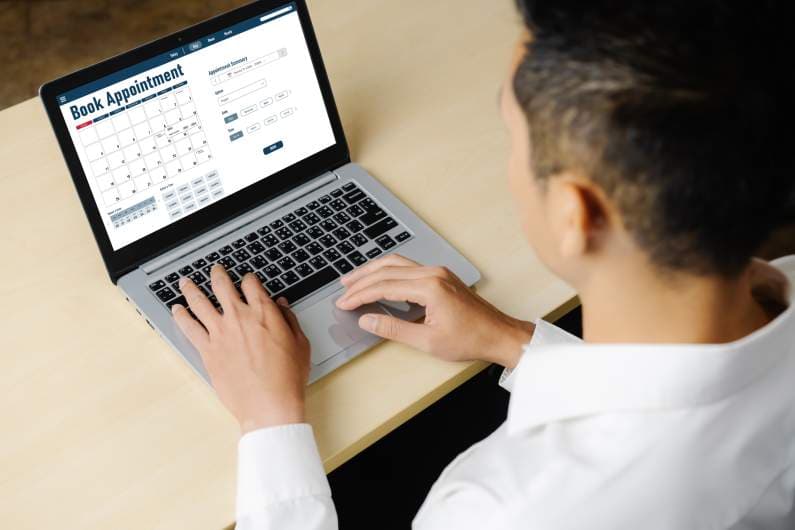
Hybrid work has real advantages, but it also introduces new challenges for businesses and employees alike. The hardest of them is the loss of in-person contact between the company and the people who work for it.
Communication is what decides whether a hybrid transition succeeds. Without it, teams get bogged down in crossed wires, and the small misunderstandings a shared office would have cleared up in a corridor conversation turn into rework.

Your leaders are running teams, not countries or disaster relief efforts, but the principles of effective communication are the same either way: empathy, knowing when to listen, and conveying the right amount of information at the right time.
Because the shift to remote work was abrupt, some businesses have been slow to adopt best practices in virtual communication. In the rush to set up home offices and make sure everyone could still reach the files they needed, communication and collaboration were left to happen organically, in back-to-back video calls.
So here are some tips for navigating the hybrid reality.
Why Communication Matters Now More Than Ever
Our working methods are evolving. The traditional 9-to-5 office job is no longer the default, and far more people now work from home or from coworking spaces, which changes how colleagues need to talk to each other.
Language services moved with everything else. Interpreting that once required a booth on site is now routinely delivered as remote interpretation over a video link.
Atlassian's Return on Action Report put well-being, flexibility about where people work, and alignment on company values at the center of what employees expect from an employer. A distributed team only gets any of the three if the communication around them works.
There is a business case for connected teams as well. A 2015 RingCentral survey already found 85% of employees using more than one device to communicate at work, years before hybrid schedules became normal.
McKinsey Global Institute's Social Economy report estimated in 2012 that better communication and collaboration through social technologies could raise the productivity of interaction workers by 20 to 25 percent. That was a projection rather than a measured result, and it is old, but it is the number that has shaped how companies invest in collaboration tools ever since.
Internal communications matter more than they used to because they are what keeps employees informed, engaged, and motivated wherever in the world they happen to be. Plenty of businesses are still struggling to keep up, without internal communication practices built for a hybrid environment.
Common Challenges of Internal Communications in a Hybrid Working Environment
Every company's move to hybrid working looks a little different. There are, though, some common communication challenges that most of them run into.
1) Inadequate home technology, whether that is an unstable connection, a missing headset, or an app that will not run, makes it challenging to communicate with a colleague. It puts strain on IT support and leaves the person at the other end feeling cut off.
2) When you are at home, nobody can drop by your desk with a quick message. The result is a rise in instant messages and email that clogs inboxes, and important things get missed in the volume.
3) Not everyone is fluent in the company's branding and brand voice. Without someone nearby to ask, or when company apps do not talk to each other, people send messages that do not sound like the brand.
The same gap shows up with outside suppliers, which is why a translation company runs through a set of onboarding questions before it starts work on your copy.
There is also a name for part of what remote employees feel: distance bias, the pull towards the people physically nearest to you. Left alone it breeds boredom and unhappiness, and neither is good for retention.
How to Improve Communication in Hybrid Workplaces
Effective Communication Needs a Strategy
Plan how communication will actually work in your organization. When people are split between the office and everywhere else, leaving it to chance does not work.
There are two types of hybrid communication: synchronous and asynchronous. Keep both in mind when you write the strategy down.
Synchronous communication is anything that expects an immediate response, such as phone calls, video conferencing, and instant messaging. Hybrid teams tend to under-use it, which is a mistake.
Save it for feedback, problem-solving, brainstorming, emergencies, and planning, and for the team bonding that nothing asynchronous quite replaces. If that means putting a proper business phone system behind it, budget for one.
Asynchronous communication accepts a lag between the message and the reply. Email, shared documents, and collaboration tools all sit here, and they suit high-quality information that deserves a considered answer rather than a fast one.
Set reasonable expectations for how quickly people should respond, and let the ones who need thinking time take it. Ask your teams what works best for them before you settle on a strategy.
Steer Clear of Technology Overload
Technology can do a great deal for staff satisfaction, as Blink's round-up of employee experience trends sets out. It is still possible to go overboard.
Adding one more app to the stack is always tempting, and there is a line where useful becomes overwhelming. Keep the count low and integrate what you can, so nobody spends their day switching platforms to find the same conversation.
Write Everything Down
Anything said in a remote or hybrid meeting can be misheard, misremembered, or simply lost. People who could not attend are left relying on secondhand accounts, which is frustrating and stops them doing their best work.
Hybrid work means documenting the knowledge-sharing that used to happen in the room, and putting it somewhere everyone can reach from whichever platform they are on.
Find the Best Hybrid Work Approach
Companies settle on different hybrid work approaches depending on what their work actually requires.
Remote-first with limited office time is the most common. Home is the primary workspace, and people come in for the meetings, training sessions, and events that are worth the journey.
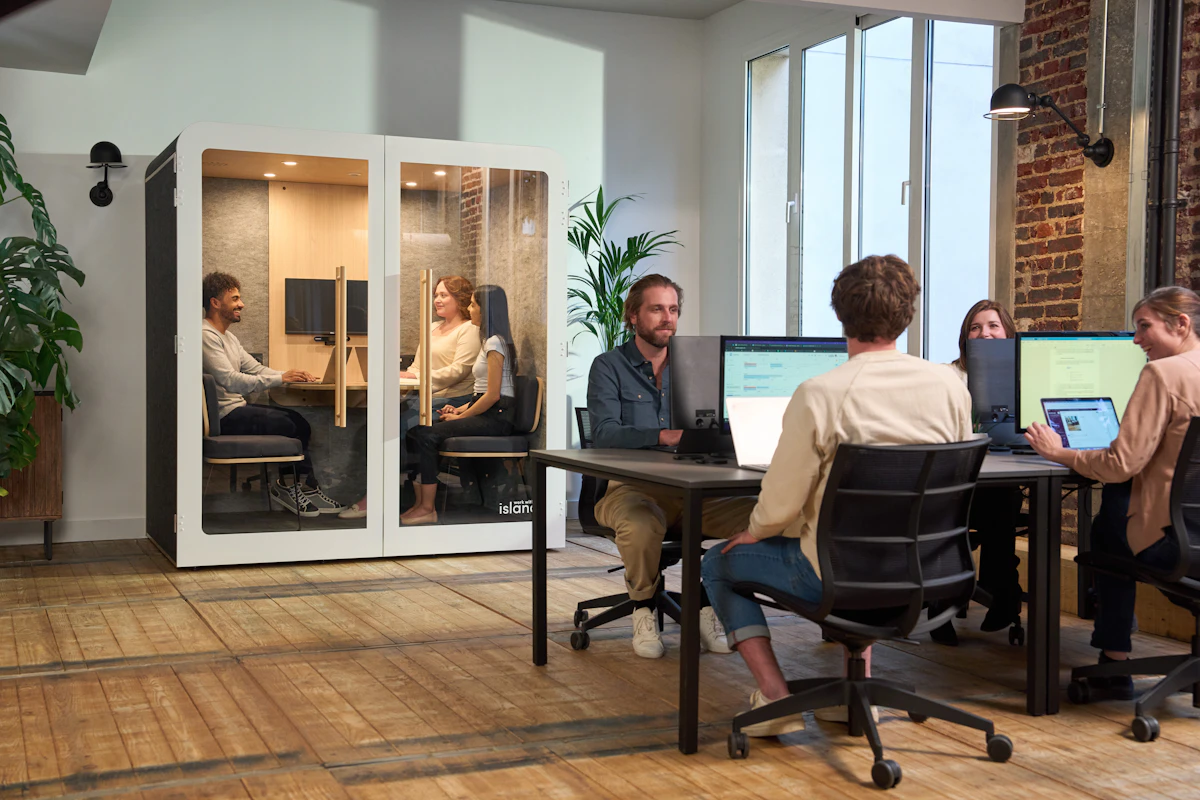
Meeting in person from time to time keeps a channel open that video calls do not, and gives colleagues a chance to know each other beyond a thumbnail and a job title.
If you do keep a space, choose it carefully. The design of an office affects productivity and health, and many of the choices that make a room efficient also make it a better place to spend a day in.
Put it somewhere most of your team can reach. A workforce spread across several regions is often better served by smaller spaces near each cluster than by one head office that most people never see.
Encourage Feedback Loops
Validation, confirmation, and direction are harder to come by without the constant low-level contact of an office. In a hybrid system each of them takes a deliberate step: a message, a call, a tag.
Build a culture where feedback is expected, through forms, recurring one-on-ones, and team meetings that actually surface what people think. If you were doing this before hybrid work, keep doing it, and use whichever tool makes it easy to gather responses and see what is changing at a glance.
Conclusion
Effective internal communication starts with working out what each group needs and shaping the message for them. After that it is a matter of choosing the right channels and committing to a strategy rather than improvising one call at a time.
It is also about more than how teams talk to each other. It covers whether employees have a say in process and policy, and the most important thing you can do is make sure they have a way to say it.
Policy written for one office rarely fits a team scattered across time zones. Consider the full spectrum of employee experience, and if your workforce spans several countries, the same thinking applies to the international translation services that carry your policies into every language your people read.