


Diagnostic Equipment Manuals
Instructions and interface text for MRI, CT, and X-ray systems, translated so clinicians operate complex equipment safely in their own language.
Medical device translation carries some of the highest stakes in our field, because patient safety and regulatory approval both depend on it.
Every text, from a user manual to a software interface, has to be accurate, culturally appropriate, and compliant with the standards of each market. Our medical translation specialists pair deep clinical terminology with an understanding of how devices are actually used at the bedside.
A mistranslated instruction or safety warning can put a patient at risk and stall a product launch, so we treat every device project with the rigor regulators expect.
Linguists who know EU MDR and FDA requirements handle your instructions for use, labeling, and regulatory files.
Article 10(11) of MDR 2017/745, and Article 10(10) of IVDR 2017/746 for in vitro diagnostics, put the language of the label and IFU in the hands of each Member State where the device is made available.
We can add certified document translation whenever an authority asks for it. For companion drug-device products, our pharmaceutical translation team keeps terminology consistent across the full dossier.
ISO 13485 defines the quality management system that medical device documentation has to satisfy. To fit into that system, every translation is revised by a second linguist and checked against your approved terminology before delivery.
Device training for clinicians and service engineers often runs in several languages at once, and our conference interpreting services support those sessions.
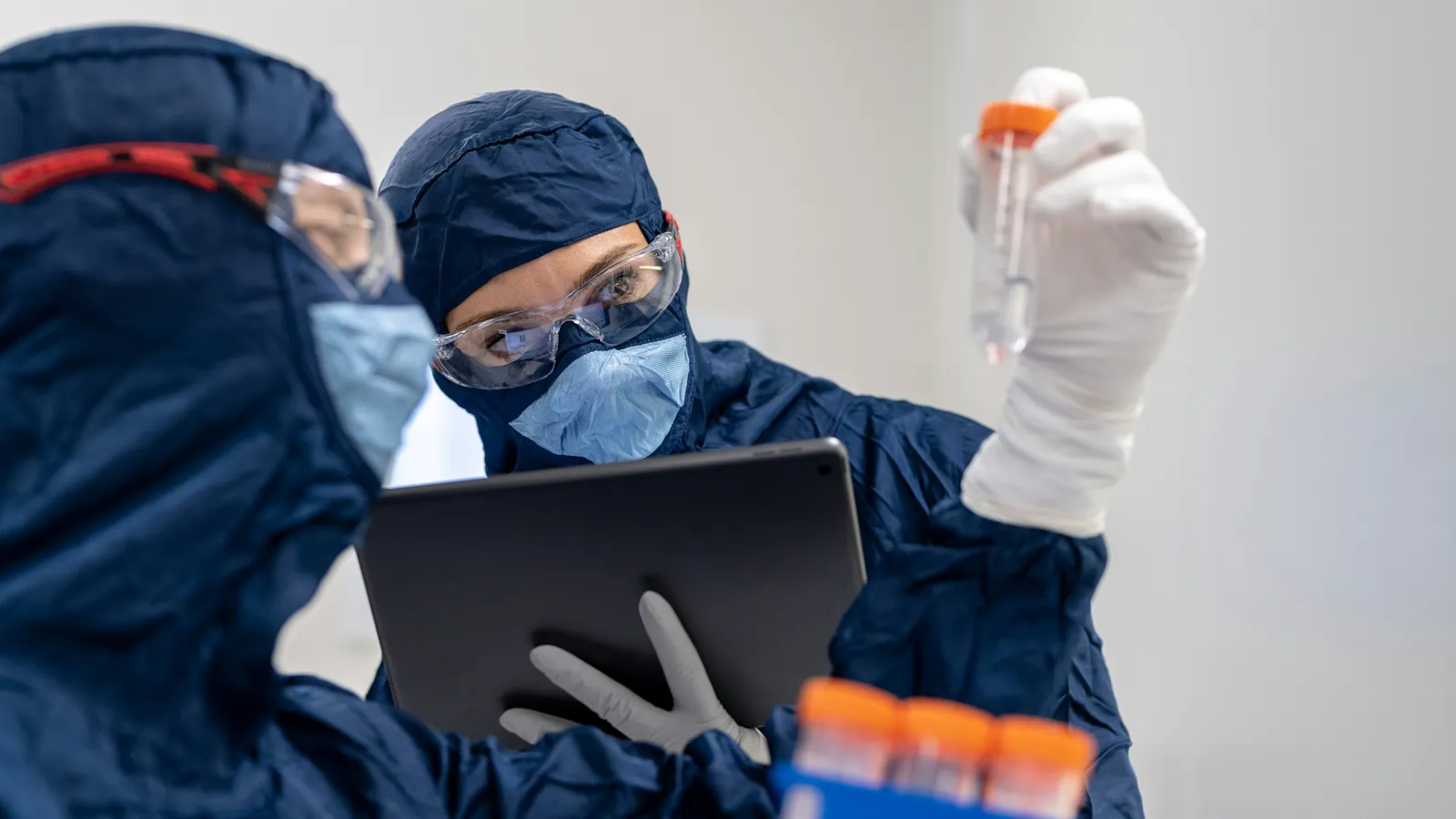
Instructions and interface text for MRI, CT, and X-ray systems, translated so clinicians operate complex equipment safely in their own language.
Setup guides, warnings, and app strings for heart-rate monitors, glucose sensors, and fitness trackers that patients use at home.
Use, maintenance, and patient-care documentation for surgical instruments, pacemakers, stents, and prosthetics, where precision is not optional.
Instructions for use, on-product labeling, and safety warnings prepared to meet the reading level and legal wording each market requires.
Device firmware, companion apps, and on-screen menus localized so the interface reads naturally to every operator and end user.
Technical files, clinical evaluation reports, and submission documents translated to the terminology reviewers at the EMA, FDA, and notified bodies expect.
“Great communication, perfect translations in different languages in a very short notice. I would recommend! We are very pleased, thank you :-)”
“We are extremely satisfied with the translation services provided. The translations were accurate, professional, and delivered on time.”
“Reliable, trustworthy and customer-centric This is the summation of Michael, Suzy and their team of translators.”

We cover diagnostic equipment, wearable health monitors, surgical instruments, implantable devices, and laboratory systems, plus home care equipment such as blood pressure monitors, nebulizers, and home dialysis machines, and emergency devices such as defibrillators and EpiPens. That includes instructions for use, labeling, software interfaces, safety warnings, and regulatory submissions.
Yes. Our medical device linguists work to the wording and reading-level standards set by EU MDR and the FDA, and they align terminology with the requirements of notified bodies and other regulators.
On language specifically, Article 10(11) of MDR 2017/745 leaves the choice to the Member State where the device is made available, so the required set is decided market by market rather than by the Regulation itself.
We localize firmware messages, companion app content, and on-screen menus, keeping strings within length limits and consistent with the printed manual and labeling.
We build a project glossary and translation memory for each client, so a term used in the manual, the labeling, and the regulatory file reads the same way every time. That also speeds up updates to later versions.
When an authority requires it, we deliver certified translation for regulators with a signed statement of accuracy. Tell us the target market and we will confirm exactly what form of certification applies.
ISO 13485 is the manufacturer’s standard: it defines the quality management system for medical devices, and translated documentation has to meet the safety and efficacy requirements it sets. ISO 17100 is a standard for translation services. We are not ISO certified, but we can work according to the standard, and every translation is revised by a second linguist and checked against approved terminology before delivery.
Yes. CE marking signals that a device meets EU safety, health, and environmental requirements, and that assessment extends to the translated documentation. The FDA likewise reviews accompanying translated materials before a device can be marketed in the United States, so translation accuracy is a condition of approval in both systems.
Send us the device documentation, target markets, and any regulatory deadlines. We will match the right medical linguist, confirm certification needs, and return a clear quote as quickly as possible.