How Pharmaceutical Companies Benefit From Multilingual Content
From drug labels to FDA and EMA submissions, pharma goes global only when the content is accurate in every language. See how multilingual translation drives compliance and trust. Get a free quote today.
The Benefits of Multilingual Content for Pharmaceutical Companies
Pharmaceutical companies reach further when their content speaks every market’s language.
Going multilingual is a strategic move for any pharma firm that wants to grow its customer base, lift revenue, and widen its product range.
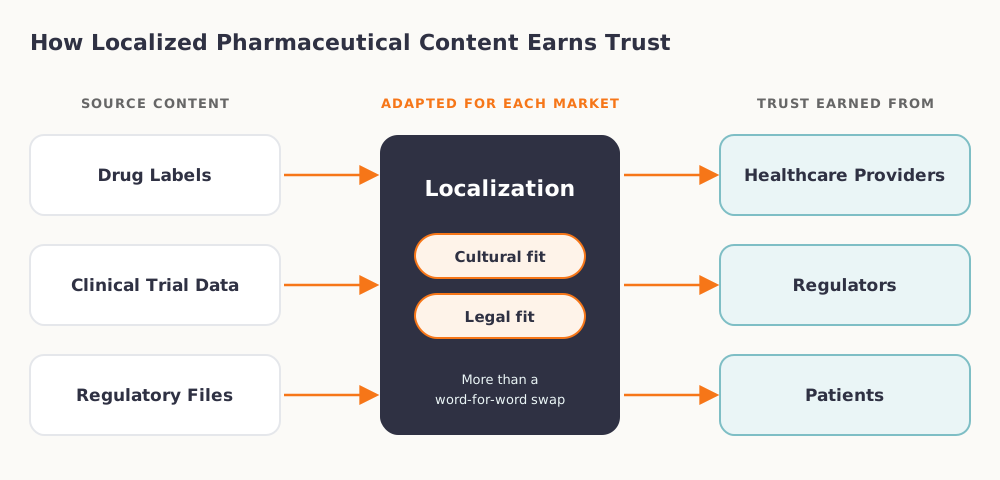
The work is not only translation but the localization of pharmaceutical content, from drug labels to clinical trial data and regulatory files.
Real localization adapts the content to fit each market culturally and legally, not just word for word.
Done well, it earns the trust of local healthcare providers, regulators, and patients, not just their comprehension.
Accurate translation becomes the bridge that makes products accessible and keeps them compliant with local rules.
Here is how multilingual content pays off for pharmaceutical companies, and which materials matter most.
Why Multilingual Drug Information Matters
To land in a new market, a pharmaceutical company has to communicate in the local language of that market.
Translation in this industry is high-stakes and necessary, since the content is dense, complex, and tightly regulated.
The job reaches past words into the cultural and regulatory norms of each region.
When drug information is translated and localized correctly, a company can extend its reach and earn recognition across the international community.
Eight Advantages of Multilingual Drug Information
- Clearer Understanding: Drug information in several languages gives healthcare professionals and patients a deeper grasp of the product.
- Stronger Patient Safety: Accurate translation of usage, side effects, and contraindications lowers the risk of misuse or adverse reactions.
- Regulatory Compliance: Translated drug information meets local and international rules, since many countries require native-language labeling.
- Wider Market Reach: Multilingual content puts products in front of a broader audience and lifts sales potential.
- Credibility and Trust: Information in a person’s own language builds confidence in the company across each new market.
- Competitive Edge: Firms that offer multilingual drug information compete better where strong local players already operate.
- Smoother Distribution: Multilingual labels and inserts cut the need for separate product batches per region.
- Global Collaboration: Translated clinical trial data invites review and input from experts worldwide, improving the research.
The payoff goes beyond ticking regulatory boxes, since it feeds directly into better healthcare outcomes.
Companies expand their customer base and deliver support where patients need it most.
Managing it well takes field knowledge and cultural insight, so the message stays accurate across every language.
Pharmaceutical Content Worth Translating
Drug Labels
Drug labels carry the details that keep patients safe, including dosages, side effects, and contraindications.
When a company enters a new market, that information has to be translated accurately for the local population.
Well-localized labels protect patient safety and build trust with local healthcare providers.
Clinical Trial Data
Clinical trials sit at the foundation of every new drug approval.
Making trial data available in several languages widens participation and produces fuller results.
It also lets professionals worldwide review the data, which can speed the adoption of new treatments and the underlying research papers.
Regulatory Challenges
Entering a new market means working through a dense web of healthcare and pharmaceutical regulations.
Multilingual content clears some of those hurdles, since many countries require translated or bilingual information on the box, which is why specialist medical translation matters, with the same rigor applied to medical device translation.
FDA and EMA Guidelines for a Global Footprint
The U.S. Food and Drug Administration (FDA) and the European Medicines Agency (EMA) rank among the most rigorous regulators in the world.
They set the bar for pharmaceutical quality, safety, and efficacy.
Any company selling into the United States or the European Union has to meet these agencies’ strict guidelines.
Multilingual versions of core documents, protocols, and submissions speed the approval process and make ongoing compliance far easier.
Key Benefits of Translating FDA and EMA Guidelines
- Faster Approval: Ready translated documents remove comprehension lag and reduce language-driven misunderstandings.
- Better Collaboration: Translated guidelines help you work with local partners, manufacturers, and providers who may not read English.
- Legal Safeguards: Accurate translation lowers the risk of non-compliance from a misread guideline, a job for specialist legal translators.
- Global Standardization: Translated FDA and EMA guidelines keep product quality and safety consistent across markets.
- Local Confidence: Following these guidelines in local languages builds trust with regulators and consumers.
- Better Resource Use: Translated guidelines double as a reference across departments and for training new staff.
- Audit Readiness: Translated regulations let you produce required documents in the auditor’s language on demand.
Compliance With Pharmacopoeias
Pharmacopoeias, the official publications listing medicinal drugs and their effects, set country-specific guidelines of their own.
A translation that respects the nuance of each pharmacopoeia aligns your product more closely with local quality standards.
How BeTranslated Helps Pharma Go Global
Multilingual content is a baseline requirement for any pharmaceutical company chasing global impact.
From tailored drug information to regulatory submissions, localized content drives real-world success across regulated industries and ties into the wider benefits of healthcare translation.
Strong multilingual content also supports patient education and market awareness once a product launches, work our digital marketing team carries across regions.
By investing in high-quality work with a reputable translation agency, pharma firms secure compliance and earn lasting trust with providers and patients alike.
Our linguists cover the major regulatory markets, including German, French, Japanese, and Chinese, backed by specialist medical translators.
Pharmaceutical Translation FAQs
Why Is Multilingual Content Important for Pharmaceutical Companies?
It lets a pharmaceutical company reach a wider audience, meet native-language labeling rules, and build trust with regulators and patients in every market it enters.
How Does Translating Drug Labels Benefit Local Markets?
Translated labels make dosage, side-effect, and contraindication information clear and culturally relevant, which protects patients and supports healthcare providers.
What Are the Main Challenges of Pharmaceutical Translation?
The work demands accuracy, cultural fit, and compliance with FDA, EMA, and pharmacopoeia standards, so it calls for translators with real medical and regulatory experience.
Do You Translate Clinical Trial and Regulatory Documents?
Yes, we handle clinical trial data, protocols, submissions, and supporting academic and journal material for global review.
How Do I Get a Pharmaceutical Translation Quote?
Send your documents and target languages through our quote form, and we will return a tailored estimate with clear deadlines.
Ready to take your pharmaceutical products into new markets with content regulators and patients can trust?
BeTranslated pairs medical and regulatory expertise with native specialists for accurate, compliant translation.
Request a free quote today, or call our Valencia team at +34 962 02 22 22.