


Intake and Registration Forms
Patient intake, registration, and demographic forms translated so front-desk information is captured correctly from the first visit.
Patient form translation is the foundation of safe, informed care for anyone who does not read the local language fluently.
Intake forms, consent documents, and discharge instructions only work when the patient understands them, and a misreading can lead to the wrong medicine, the wrong dose, or the wrong treatment. Our healthcare translation team renders every form so patients can read, understand, and act on it with confidence.
The risk is measurable. In a pilot study of adverse events reported at six Joint Commission-accredited US hospitals over seven months in 2005, 49.1% of the adverse events involving patients with limited English proficiency caused some physical harm, against 29.5% of those involving English-speaking patients.
Source: Divi, Koss, Schmaltz and Loeb, “Language proficiency and adverse events in US hospitals: a pilot study”, International Journal for Quality in Health Care, 2007 (doi:10.1093/intqhc/mzl069).
Clear, professionally translated forms give limited-English-proficiency patients a real chance to give informed consent and to follow their care correctly, which is why we place a qualified medical translation specialist on every project rather than relying on machine output.
When a patient needs help at the appointment itself, our live interpreting support covers the spoken side of care. Forms that a hospital, an insurer or a public health body asks to receive with a certification can be supplied as certified translations, for example for a US hospital or a European health service.
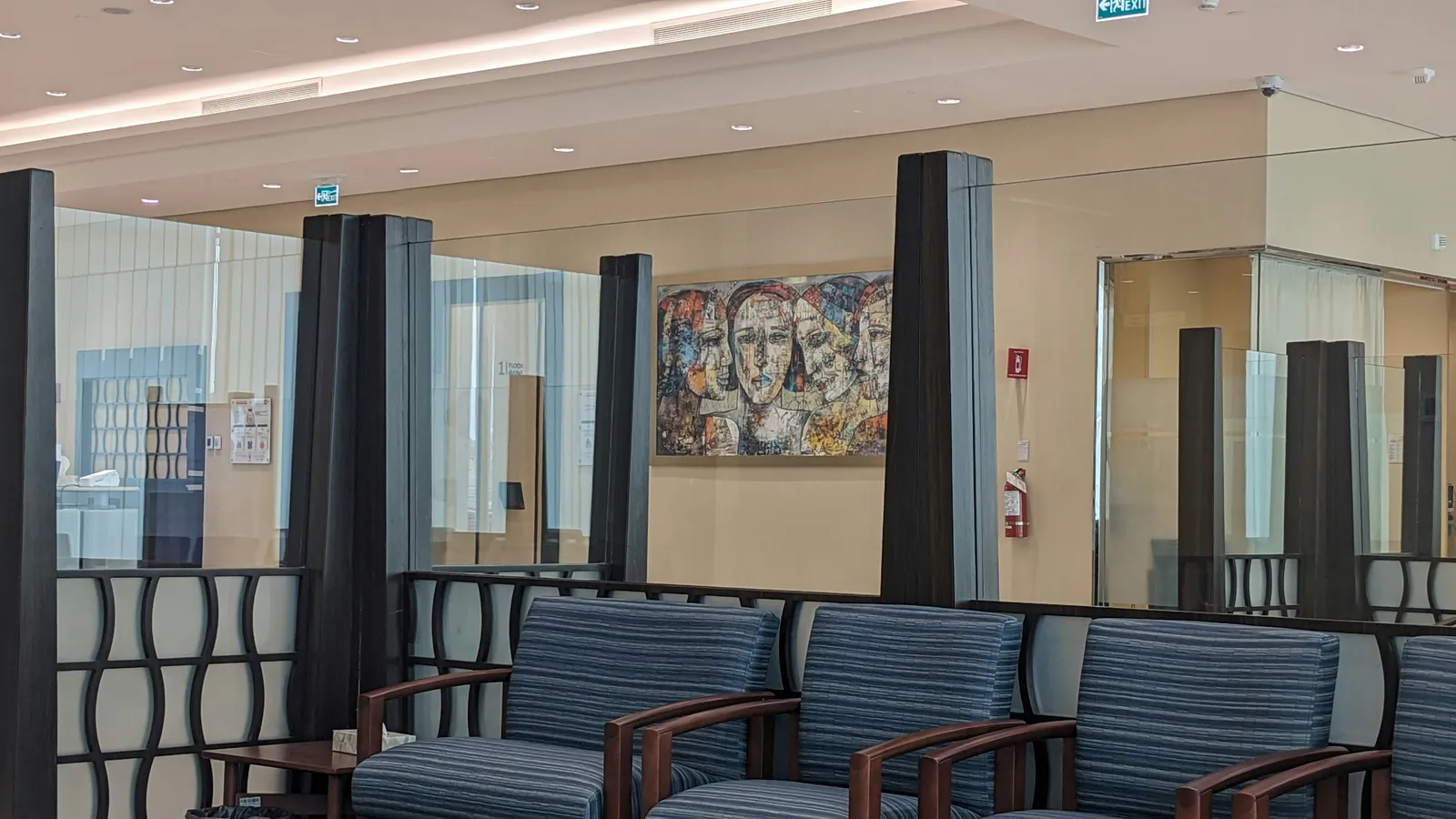
Patient intake, registration, and demographic forms translated so front-desk information is captured correctly from the first visit.
Informed-consent and treatment-authorization documents rendered in clear language so patients understand what they are agreeing to.
History and symptom questionnaires translated so clinicians receive accurate answers about allergies, conditions, and current medications.
Discharge summaries and home-care instructions written so patients follow their treatment plan correctly once they leave the clinic.
Dosage instructions, warnings, and drug information sheets translated to reduce the risk of a dangerous mistake at home.
Insurance, billing, and claims paperwork translated so patients can complete coverage and reimbursement steps without confusion.
“Highly professional and meticulous work. They truly listened to my needs and communicated very responsively. Very satisfied with the work done.”
“It is a real pleasure to work with the BeTranslated team who has been very professional, flexible and responsive during all projects.”
“Reliable, trustworthy and customer-centric This is the summation of Michael, Suzy and their team of translators.”
We translate intake and registration forms, consent and authorization documents, medical history questionnaires, discharge and aftercare instructions, medication guides, and insurance and claims paperwork.
Patient forms drive real clinical decisions, so a small error can cause real harm. Professional medical translators know the terminology and the reading level patients need, which a general translator or machine output often misses. Because forms hold personal health data, we sign a data processing agreement (DPA) on request.
Yes. We translate consent and authorization forms so patients who do not read the local language fluently can understand the procedure, the risks, and their choices before they sign.
We work in more than 50 languages, including common healthcare pairs such as English to Spanish, German, and Chinese. Tell us your patient population and we will confirm the right specialists.
Yes. Patient forms are one part of healthcare translation for providers, and we also handle provider materials, signage, and medical translation for devices and clinical documents.
Yes. Alongside written form translation, we provide medical interpreters for real-time communication between providers and patients who do not share a language. They are trained for the nuances and technical vocabulary of clinical dialogue, so the conversation stays as precise as the paperwork.
Yes. Patients treated abroad often need forms, records, and discharge papers translated so their home provider understands the diagnosis and the treatment already given. We translate in both directions, which keeps care consistent when you move or travel between countries.
Send us the forms, your patient languages, and any turnaround needs. We will match a professional medical translator and return a clear quote as quickly as possible.