
Simultaneous Interpreting Services
Simultaneous interpreters work in real time from a sound-isolated booth while the speaker continues without pause. This is the format that runs the UN, the European Parliament, and every major international conference, and we supply the booths.
Booth-Based, Conference-Grade, Real-Time
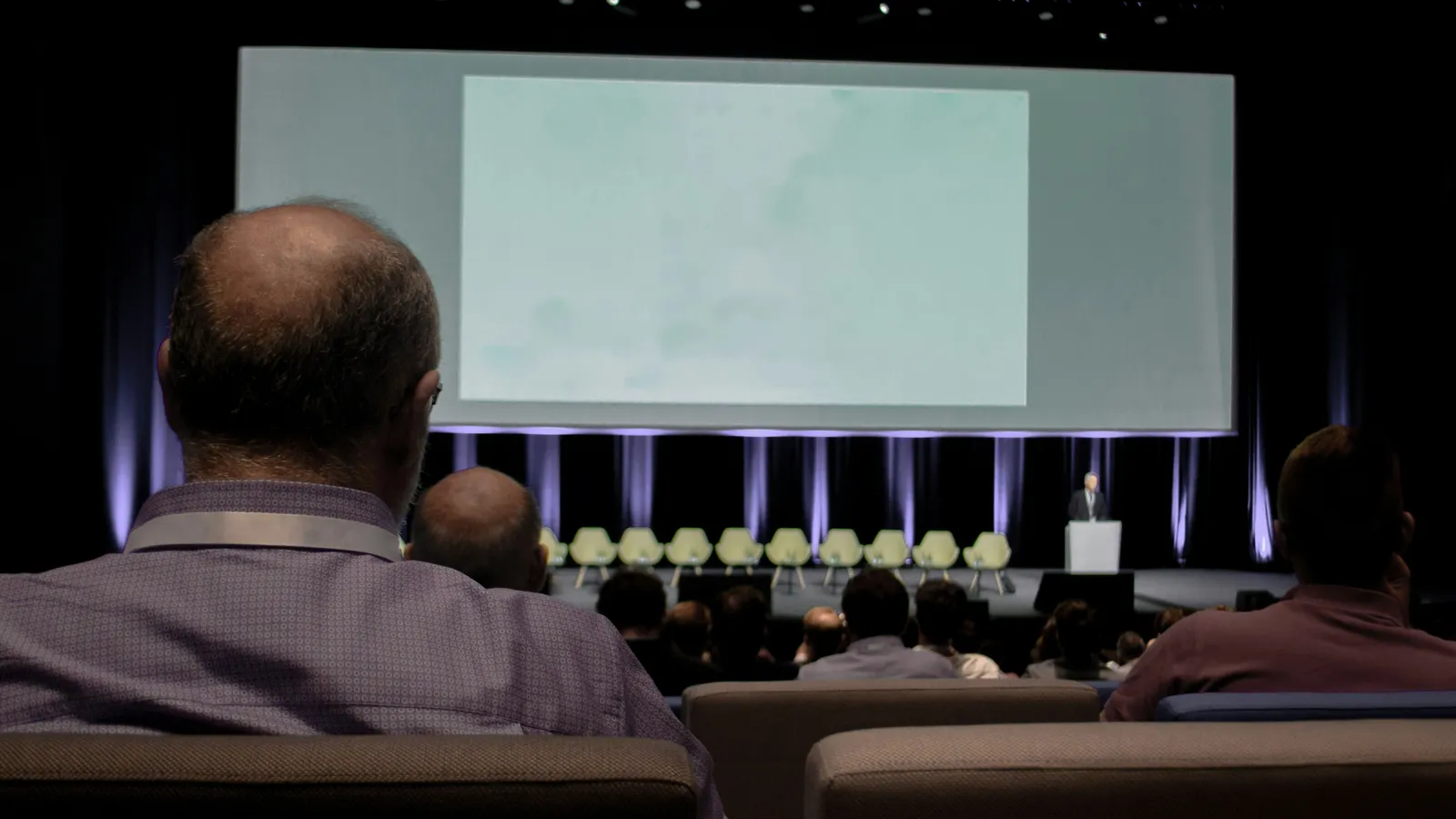
Simultaneous interpreting is the format used wherever a one-to-many audience needs continuous output in real time: conferences, summits, AGMs, parliamentary sessions, and large multilingual events.
The interpreter sits in an ISO 4043-compliant booth, receives the speaker through headphones, and renders the message into the target language with a lag of 2 to 4 seconds. Listeners select their language on a receiver and hear the output through headsets.
Why Clients Choose Our Simultaneous Interpreting

AIIC-Standard Booth Discipline
Conference interpreters trained to AIIC standards: pivot protocol, relay rules, booth handover discipline, and language-balance management for events that mix three or more working languages.

ISO 4043 Booths and Technician
Sound-isolated ISO 4043 cabins, receiver units calibrated to attendee count, and a technician on site for the full event. Equipment dispatched and rigged by our team, not subcontracted to an unknown vendor.

Two Interpreters per Language Pair
Sessions over 30 minutes are staffed with two interpreters per pair, rotating every 20 to 30 minutes. The standard AIIC and EU Institutional convention, applied regardless of budget framing.
On-Site and Hybrid Delivery
Pure on-site for conferences in a single venue, or hybrid with RSI feed for remote participants and overflow rooms. The same interpreters can serve both audiences from one cabin when the platform supports it.
Where Simultaneous Interpreting Fits
- International conferences and summits
- AGM and shareholder meetings with multilingual investor base
- Multilateral negotiations and intergovernmental committees
- Press conferences and ministerial briefings with international media
- Parliamentary committees and legislative hearings
- Industry congresses with parallel-language streams
How We Handle It When an Interpreter Isn't Ready
For a two-day international conference in Belgium, we arranged French-English simultaneous interpreting delivered by interpreters working in pairs from conference booths. Preparation materials and terminology briefings were shared with the team in advance, standard practice for any simultaneous assignment. On the first day, it became clear that one interpreter's practical booth experience was thinner than we understood when the assignment was arranged. A good translator is not automatically a simultaneous interpreter, and having done some interpreting work is not the same as being ready for several hours of conference-grade booth work.
Simultaneous interpreters work in alternating pairs, so a struggling partner adds pressure to the interpreter beside them. Once the concern was raised by the booth team, we reviewed the situation immediately and arranged a qualified replacement in time for day two, keeping the event on schedule for the client without interruption.
The experience led us to tighten how we qualify interpreters for simultaneous work. We now verify practical booth history, recent assignment dates, specialist subject areas, and references before confirming any conference booking, not just general interpreting experience.
What We Check Before Booking a Simultaneous Interpreter
- Number of simultaneous assignments completed
- Direct experience working from a professional interpreting booth
- Date of their most recent simultaneous assignment
- Specialist fields they have worked in
- Experience working with a booth partner
- References for comparable assignments
Simultaneous Interpreting: Common Questions
Two interpreters per active language pair per booth, for any session longer than 30 minutes. A six-language conference therefore needs 12 interpreters in 6 booths, plus a chef d'équipe for coordination if the program is complex. We scope the team against your agenda.
Both. We supply ISO 4043 booths, receiver units, and a technician for the full event when needed. For venues with built-in booths we supply only the interpreters and confirm the venue equipment meets the required standard.
Yes. Remote Simultaneous Interpreting (RSI) is the cloud-based variant: interpreters work from a hub or home studio and listeners join over a platform. RSI is cheaper and faster to scope; on-site is preferred when the conference is in-person and budget allows for the booths.
We check more than a yes-or-no answer on interpreting experience. Before confirming a simultaneous assignment, we verify how many simultaneous bookings the interpreter has completed, when their most recent one was, their specialist subject fields, and references for comparable events. General interpreting experience does not guarantee booth-ready simultaneous skills.
Our team tracks quality throughout the event, including feedback from the booth partner. If a professional is not delivering the standard the assignment requires, we address it immediately and arrange a qualified replacement so the event continues without disruption to the client.
Other On-Site Interpreting Formats
Interpreters in Simultaneous Interpreting, Ready When You Are
Tell us the venue, language pair, format, and timing for your Simultaneous Interpreting assignment. We will confirm interpreter availability and logistics as quickly as possible.