Elements of a Strong Logo: Designing for Global Markets
A great logo crosses languages, colors, and cultures without losing its meaning. See the elements that make a logo work in every market you enter.

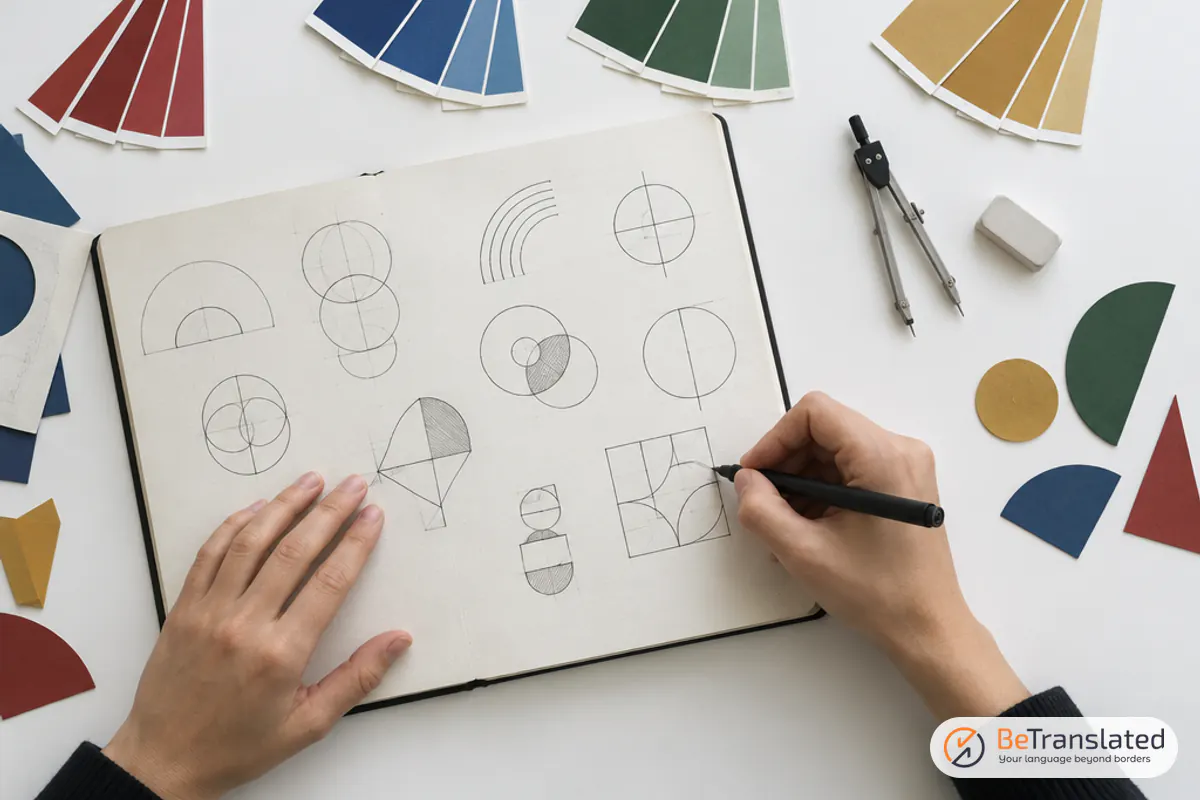
The Key Elements of a Strong Logo
A strong logo gives any brand a chance to make a lasting impact, since it stands in for the company and leaves a mark on customers’ minds.
But what actually makes a logo strong?
A strong logo blends several elements into a design that works and sticks.
Done well, it carries the brand’s values, builds recognition, and leaves an impression that lasts.
To create a logo that connects with your audience, though, you have to weigh a handful of design elements.
Here are the key ones, with a focus on the language and translation side that decides how well a logo travels across markets.
From simplicity and memorability to timelessness and uniqueness, these elements help your logo stand out and carry your message in a crowded market.
Simplicity and Clarity
Simplicity is the universal language of design, and a simple logo clears language differences while staying effective across cultures.
The Nike swoosh is a prime example, since its minimal design says plenty and connects with consumers worldwide, whatever their language.
A strong logo should be easy to recognize and recall at a glance, which means clean lines, simple shapes, and few moving parts.
A complex design may tempt you, but it often confuses people and fails to stick.
Clutter-free logos, by contrast, are far easier to read and tie back to a brand.
You can use logo design software to balance simplicity and clarity, then refine the result with a professional eye.
For a fully branded identity across markets, our multilingual branding and design team builds that foundation from the start.
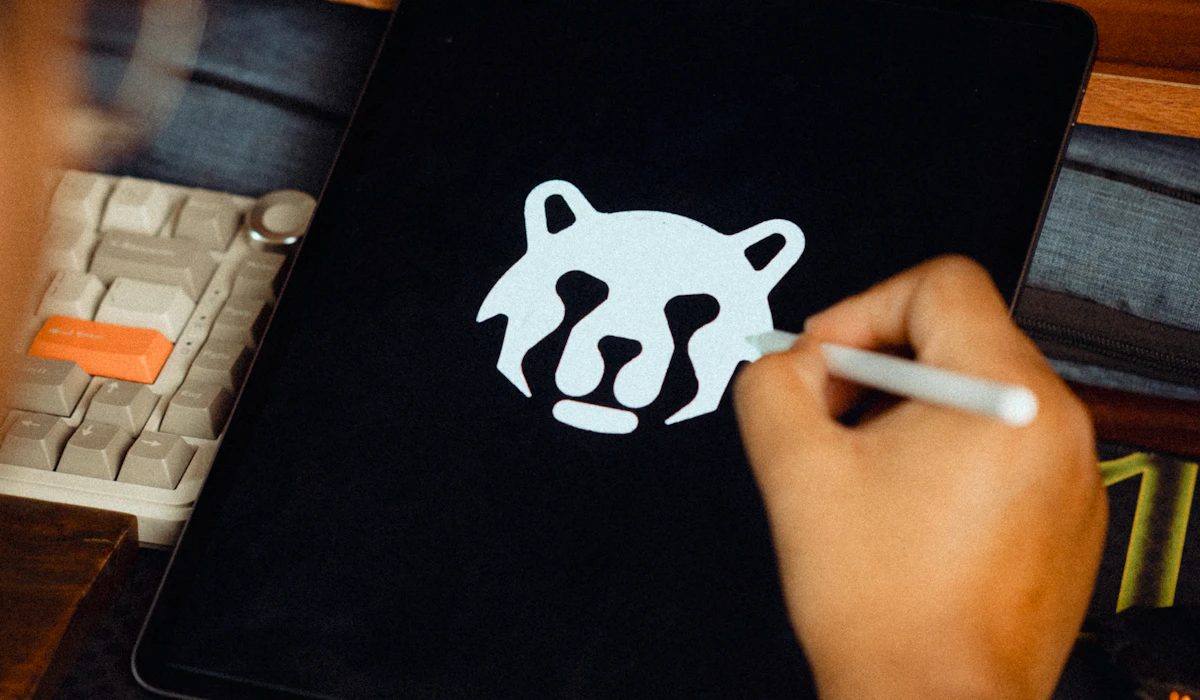
Linguistic Diversity
Language sits at the core of culture and carries a people’s values, traditions, and beliefs.
When a business moves into new international markets, its logo has to speak the local language, which goes well past literal translation into idiom, nuance, and connotation, the same care that shapes your content for each national market.
A strong logo communicates cleanly in the target language while respecting cultural sensitivities, the heart of a good brand localization strategy.
Coca-Cola met that challenge when it entered the Chinese market, where the phonetic rendering of the name became Ke Kou Ke Le, meaning tasty fun.
The adaptation kept the brand’s identity while making it relatable to Chinese consumers, a lesson echoed in our roundup of localization mistakes to avoid.
Brands that put logo adaptability and linguistic diversity first tend to connect with audiences on a deeper level.
Logo Color and Cultural Symbolism
Color communicates across languages, stirring emotion, carrying meaning, and shaping how people perceive a brand.
Color psychology matters when you design a logo for a global audience, since culture shapes how each market reads it.
McDonald’s pairs red and yellow for a bold, inviting look that appeals worldwide, with red signaling energy and yellow signaling positivity.
Facebook leans on blue to project trust and reliability, a color with broad cross-cultural appeal.
Read the psychology of color and its cultural cues, and you can design logos that land well across very different audiences. The right color choices lift recognition, trigger the intended emotion, and feed the success of a brand expanding into new markets.
But a color or symbol rarely means the same thing in every market, and a logo built around one meaning can misfire badly the moment it crosses a border.
White reads as purity and simplicity across most Western branding, the reason so many minimalist tech and wellness logos lean on it. In large parts of East and South Asia, white is traditionally the color of mourning and funerals, worn at services rather than celebrations.
Red carries a similar split. It signals danger or a warning in much of the West, while in China it is the color of luck, prosperity, and celebration, which is exactly why so many Chinese New Year and wedding branding leans on it so heavily.
Numbers, shapes, and even the direction text reads in can carry the same kind of local weight. The number four sounds like the word for "death" in Mandarin and Cantonese and is avoided in branding and packaging the way 13 is avoided in parts of the West.
None of this means a logo needs a different design for every market. It means the people adapting brand assets for international markets need to actually know the cultural context a mark is landing in, not just translate the name underneath it.
Typography and Localization
Typography carries real weight in logo design, above all with multilingual audiences, since its first job is to keep the text readable.
When a logo moves into other languages, the font choice shapes how well it carries the brand's message, so fonts should be picked for how they render across scripts.
Getting this right usually means localized font pairings rather than one typeface stretched across every alphabet: a Latin wordmark, a matching Cyrillic cut, a matching CJK typeface, each chosen so the weight and personality of the brand survives the switch. This is what multilingual typography actually involves, and it is easy to underestimate until a font renders thin and illegible in Arabic or cramped in Thai.
Nike again sets the bar, because its swoosh works across languages without leaning on text at all.
Apple takes the other route with a clean, legible wordmark that adapts neatly across scripts, which is where multilingual desktop publishing keeps brand identity consistent.
Unique and Memorable Design
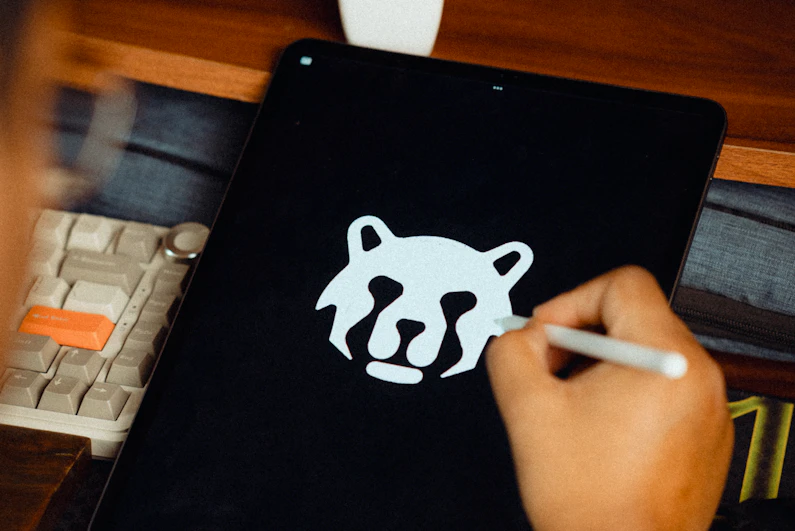
A unique, memorable logo anchors global brand recognition.
A mark that stands out, stirs emotion, and stays culturally neutral can become a universal symbol that crosses both language and culture.
If you are chasing international success, craft a logo that is distinctive and memorable, since it becomes a bridge to audiences worldwide and supports your wider marketing and catalog work across regions.
Flexible and Adaptable for Every Screen
A logo used to just need to work on a sign and a business card. Now it has to hold up across a much longer list of contexts, and most of them are digital first.
- Responsive layouts, where the full logo shrinks to an icon or monogram on mobile without losing its identity.
- Dark mode, since a mark designed only for a white background can disappear or look wrong against black or navy, a genuine problem now that dark mode is the default on most phones and apps.
- Social avatars, cropped to a circle or square, which punishes any logo that relies on corner details or a wide horizontal lockup.
- Localized font pairings, so the wordmark still reads cleanly once it is set in Cyrillic, Arabic, or a CJK script instead of Latin characters.
Take the McDonald's logo, recognizable whether on a billboard in New York or a menu in Tokyo, its presence intact either way, including as a small app icon that still reads clearly at a glance.
The same adaptability should carry through your website and social channels, and into every piece of global marketing collateral that carries the mark, so the brand reads the same everywhere people meet it.
Auditing Your Logo for Global Markets
Some marks cross borders with almost no change. Others need real adaptation before they work outside their home market.
| Brand | Traveled well as-is | What needed adapting |
|---|---|---|
| Nike | Swoosh mark carries no text and no color dependency, so it reads identically everywhere | Nothing structural; marketing copy and slogans still get translated market by market |
| Coca-Cola | The script wordmark and red are consistent worldwide | The name itself needed a phonetic Chinese rendering (Ke Kou Ke Le) rather than a literal translation |
| Apple | Clean wordmark and bitten-apple icon hold up across scripts unchanged | Product naming and marketing copy still adapt per script and market |
| Many Western tech brands | Minimalist white-and-blue palettes read as clean and modern at home | The same white can read as somber in East Asian markets, so supporting brand collateral often shifts the palette or context around the mark |
The pattern holds: a genuinely simple, color-light mark like Nike's swoosh usually survives untouched, while any logo that leans on a specific color, phrase, or number needs a real cultural review before it ships into a new market, not just a translation pass.
Before you take an existing logo into a new market, run it through a short checklist rather than assuming it will translate as-is.
- Does the logo rely on any color that carries a different cultural meaning in the target market (white, red, and numeric symbolism are the most common trip points)?
- Does the wordmark or icon contain a number, shape, or gesture that reads differently, or offensively, elsewhere?
- Does the typeface have a matching cut for the target script (Cyrillic, Arabic, CJK), or will it need a full localized pairing?
- Does the mark still read clearly as a small app icon, a circular social avatar, and against a dark-mode background?
- Has a native-market reviewer, not just a translator, actually looked at the mark in context before launch?
Building a Logo That Travels
A strong logo balances language, culture, simplicity, color, cultural symbolism, typography, uniqueness, and digital-first adaptability.
Weigh each of those when you design or redesign, and you build a visual link with audiences worldwide that bridges languages and cultures.
Pair the design with localized content marketing and the right brand name, and your identity holds together in every market.
When you are ready to take a brand global, our multilingual digital marketing team carries the look, voice, and message across regions. We localize brand assets into Spanish, French, German, and dozens more.
Taking your brand identity global?
Adapting your logo, slogans, and marketing materials requires more than a word-for-word translation. Our transcreation and desktop publishing (DTP) experts ensure your visual brand retains its impact in every culture and alphabet.
Logo and Branding FAQs
Why Does a Logo Need to Work Across Languages?
A logo represents your brand in every market you enter, so it has to read clearly and respectfully in each local language and culture, not just the one it was born in.
Should I Translate or Adapt My Logo for New Markets?
Adaptation usually beats literal translation, as the Coca-Cola example shows, since the goal is a version that keeps your identity while sounding natural to local audiences through proper brand localization.
How Does Color Affect a Global Logo?
Color carries different meaning across cultures, so understanding color psychology helps your logo stir the right emotion and build trust in every market you target.
Can BeTranslated Help With Branding, Not Just Translation?
Yes, our branding and design team builds and adapts visual identities for international audiences, alongside full marketing and advertising translation.
How Do I Get Started on a Multilingual Brand?
Tell us about your project through our quote form, and we will map out the translation and branding work your global launch needs.
Ready to build a logo and brand that work in every market you sell in?
We pair native translation with multilingual branding and design to keep your identity sharp across borders.
Request a free quote today, or call our Valencia team at +34 962 02 22 22.